Tobin Turkey Trot & More

Wednesday, November 26th 2014

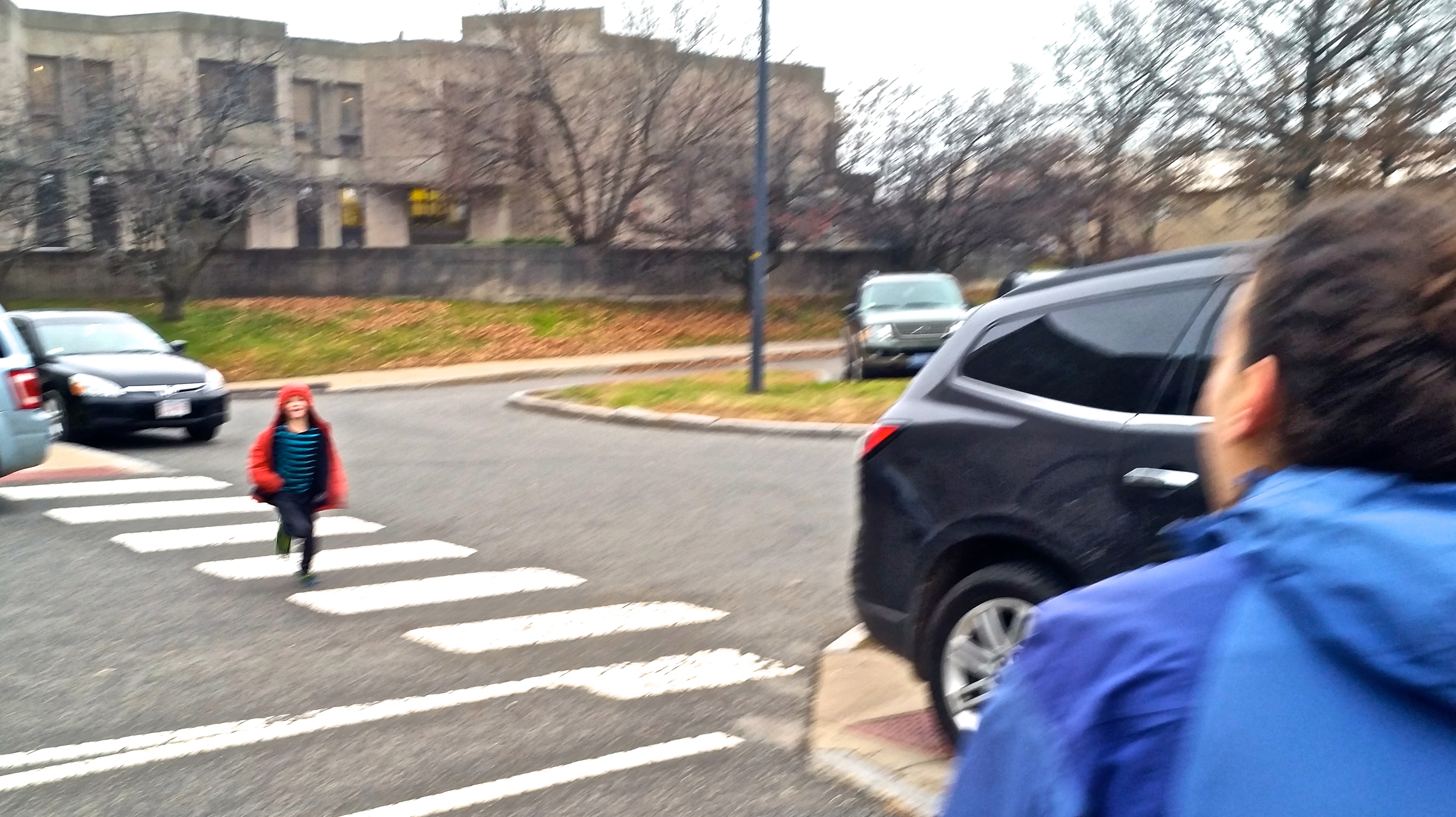
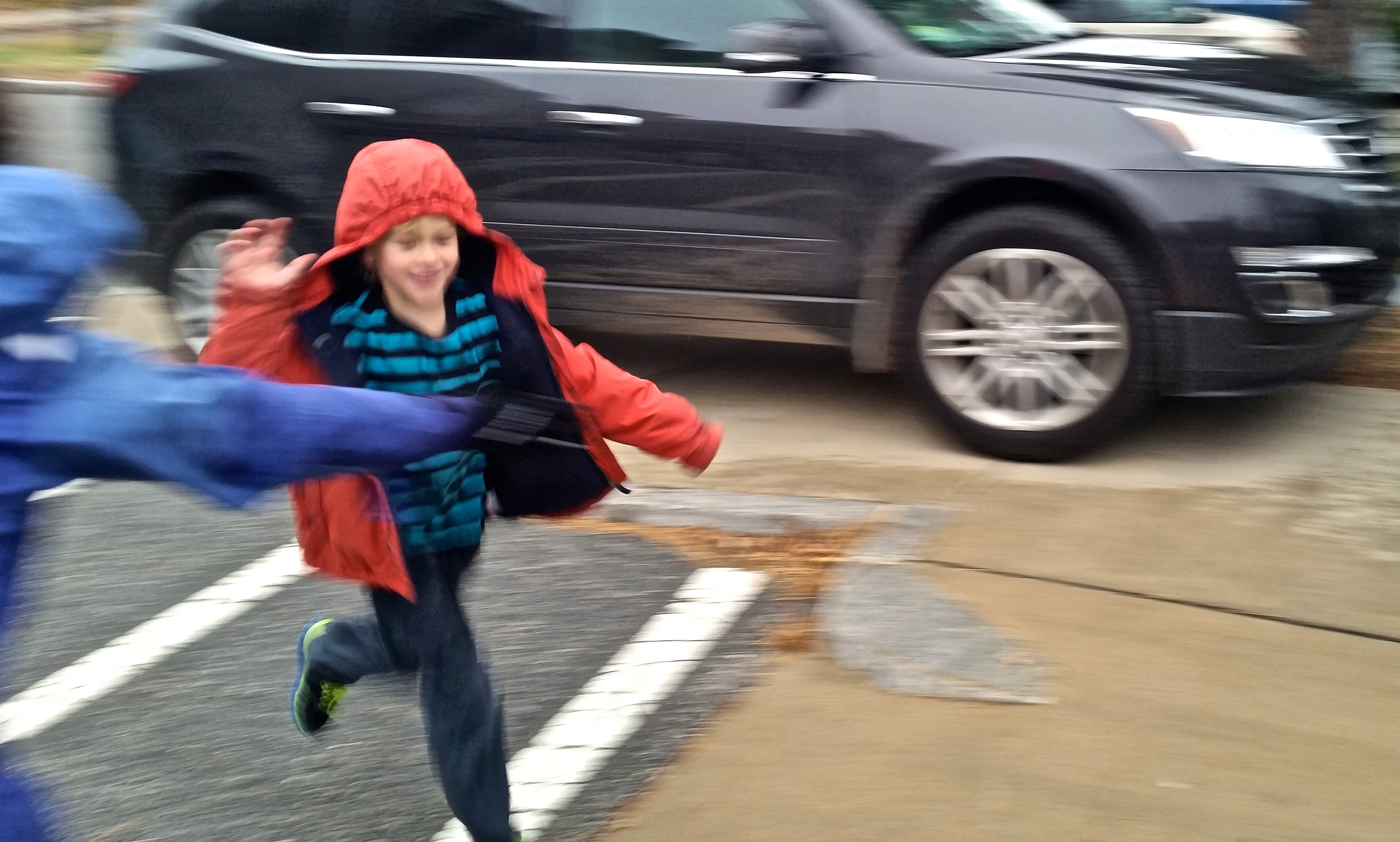
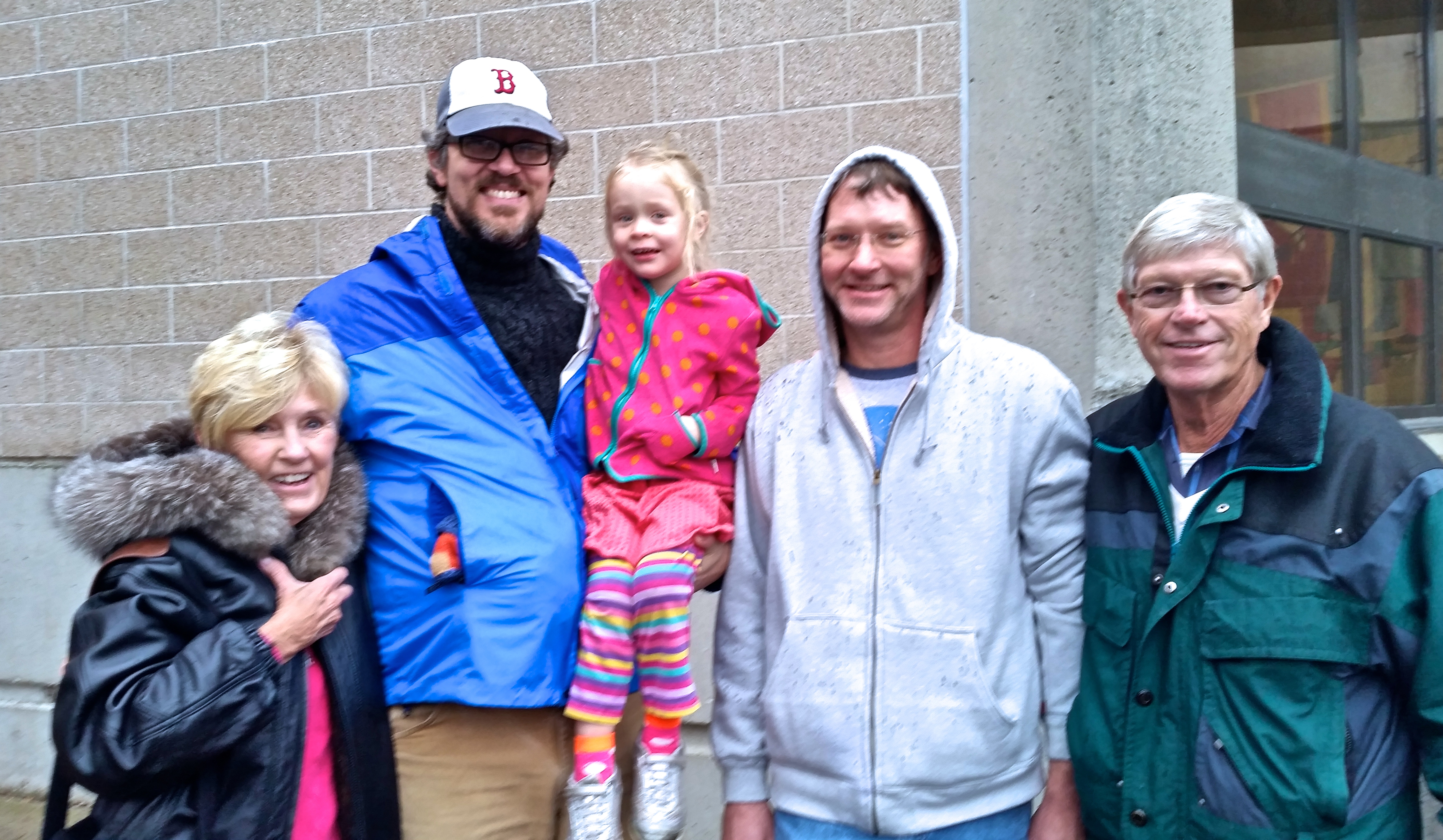
We had the great blessing of relatives in town for Thanksgiving, including joining us at the kids’ school to cheer them on for the Tobin Turkey Trot Extravaganza.  Here we are alongside Uncle Chris, Grandma Z, and Grandpa Jack with the pie Gavin won by lucky draw in the post-run raffle:

The Winning Circle of Pie

The Winning Circle of Pie

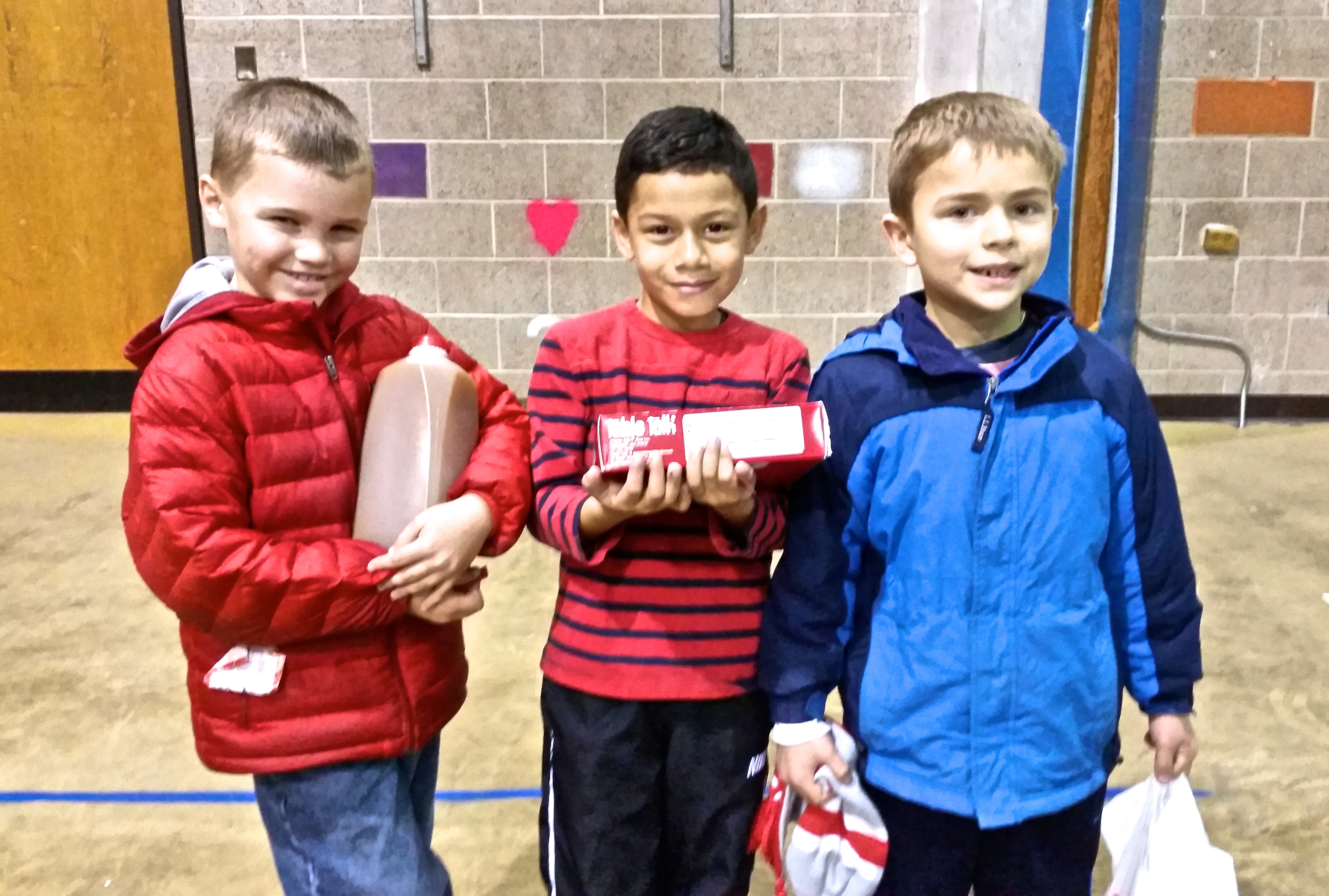
Here is my nephew MILES in HIS winning circle of Top Three Fastest First Grade Boys in the whole school!

Miles, friend Diego and Mystery Champion

A Beaming Miles, friend Diego and Mystery Champion

Here is the story as retold by my Mom to my Brother in California:

“Miles is third-fastest-running first-grade boy, as determined in this morning’s Tobin Turkey Trot and he proudly brought home the triumphal half-gallon of cider he won and manfully sips it from over his shoulder like moonshine. Gavin’s body parts don’t all go in the same direction at the same time, as you’ve no doubt noticed, but both he and ClaraJane finished their run, which makes them winners.  Gavin won the Pumpkin Pie raffle, which made him very happy. Jenny got great pics and the O clan were out in force praising all 3 children.”

It was a pretty epoch Tobin Day, from; 1) The Turkey Trot, 2) ClaraJane’s Classroom Tour, 3) Cafeteria Lunch with my kids to 4) Gavin’s Math Materials.  (And now you know the outline for the rest of this blog post, and are officially forwarned.)  (o:

1)  TURKEY TROT.   Here is the anatomical breakdown of The First Grade Boys’ Race:

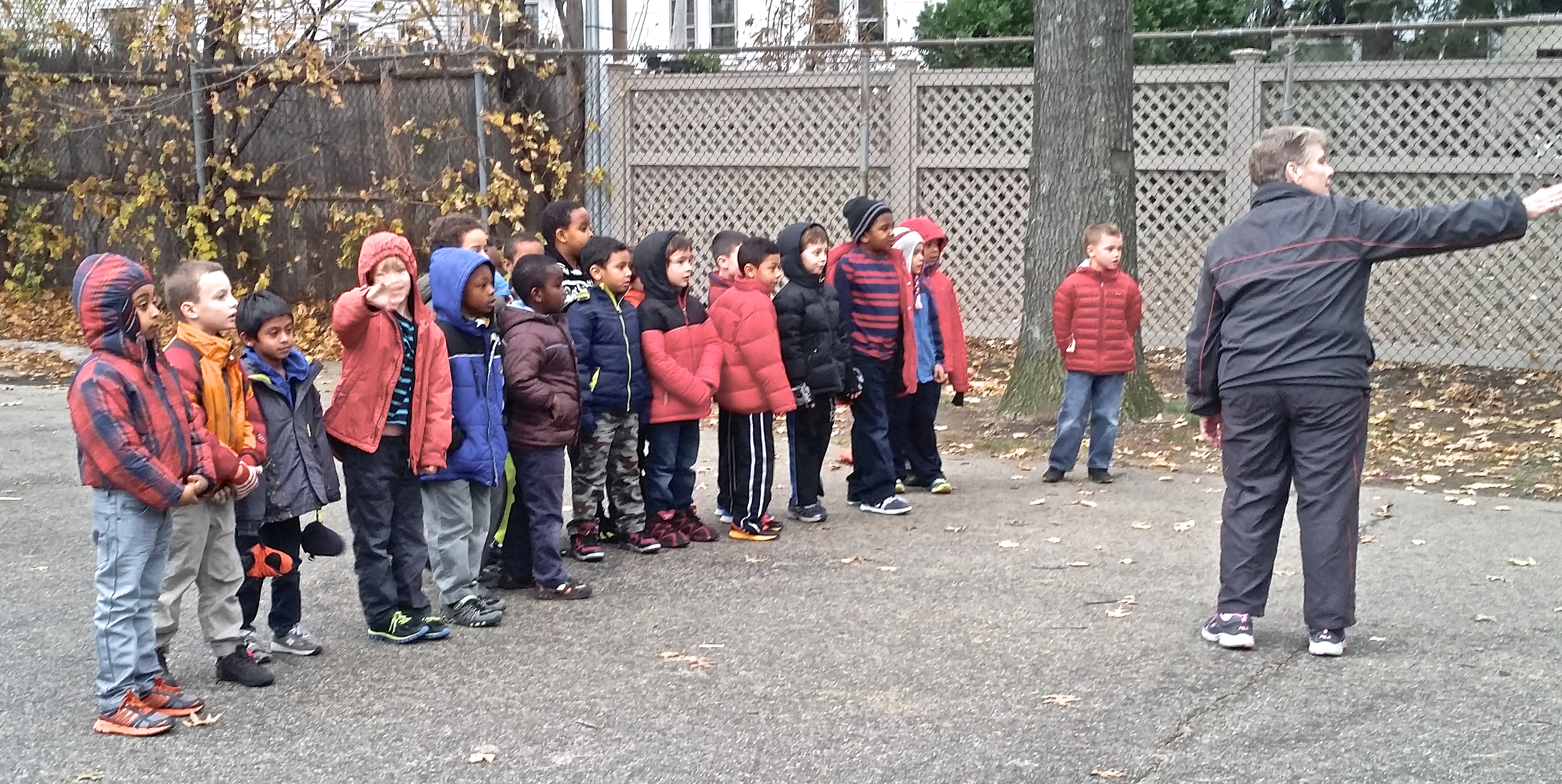
Everybody warms up with Phys Ed Teacher, Ms. "S"

Everybody warms up with Phys Ed Teacher, Ms. “S”

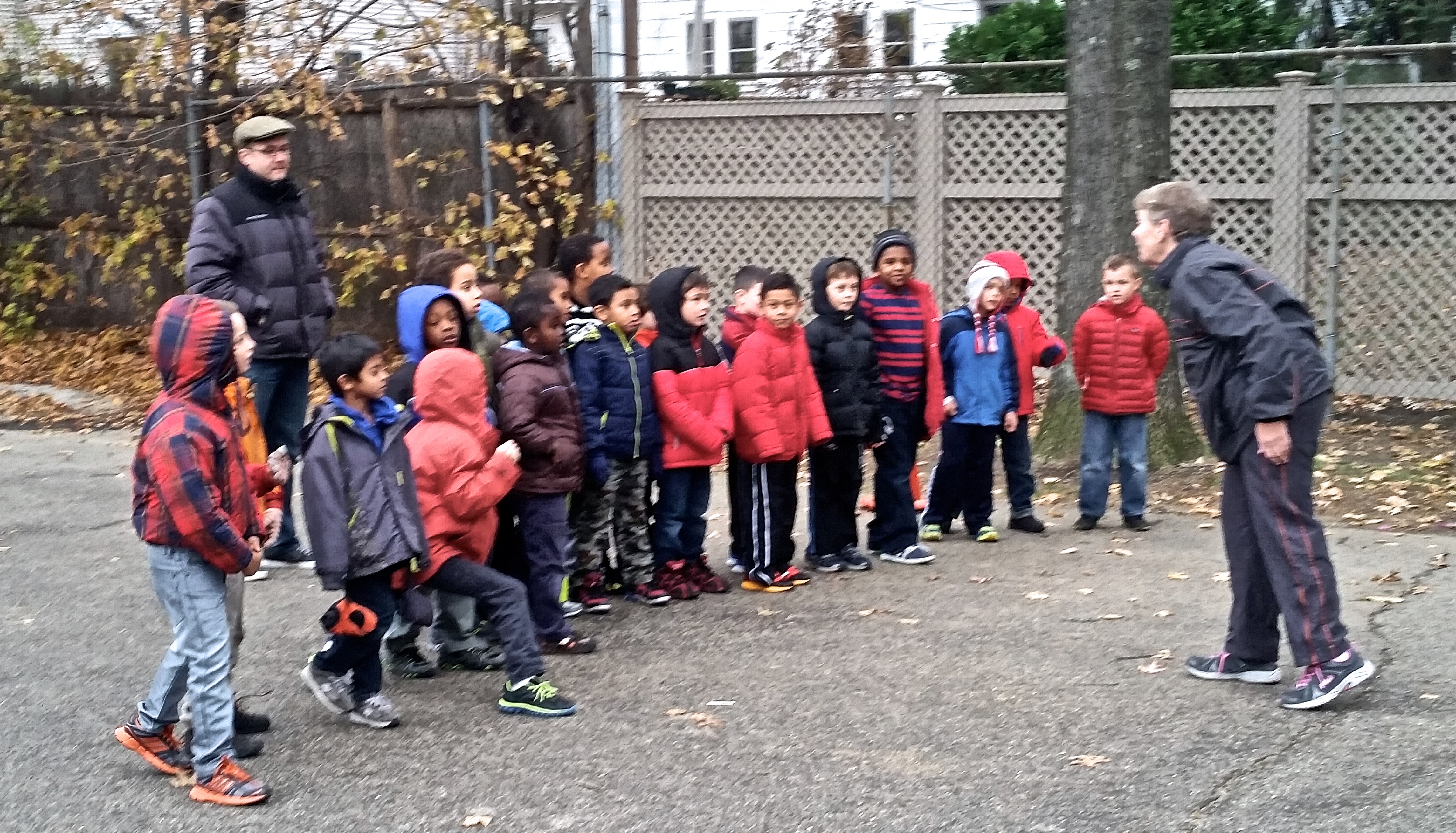
First Grade Boys line up

First Grade Boys line up

Notice Gavin (4th from Left above) waving, while cousin Miles (all the way on Right) is focusing.

Somebody is posing for a fancy, fierce start

Gavin gets in fancy, fierce start position; Miles chills

Gavin with his hand down

Gavin puts his hand down in imaginary sprinters start position while everyone else starts the race

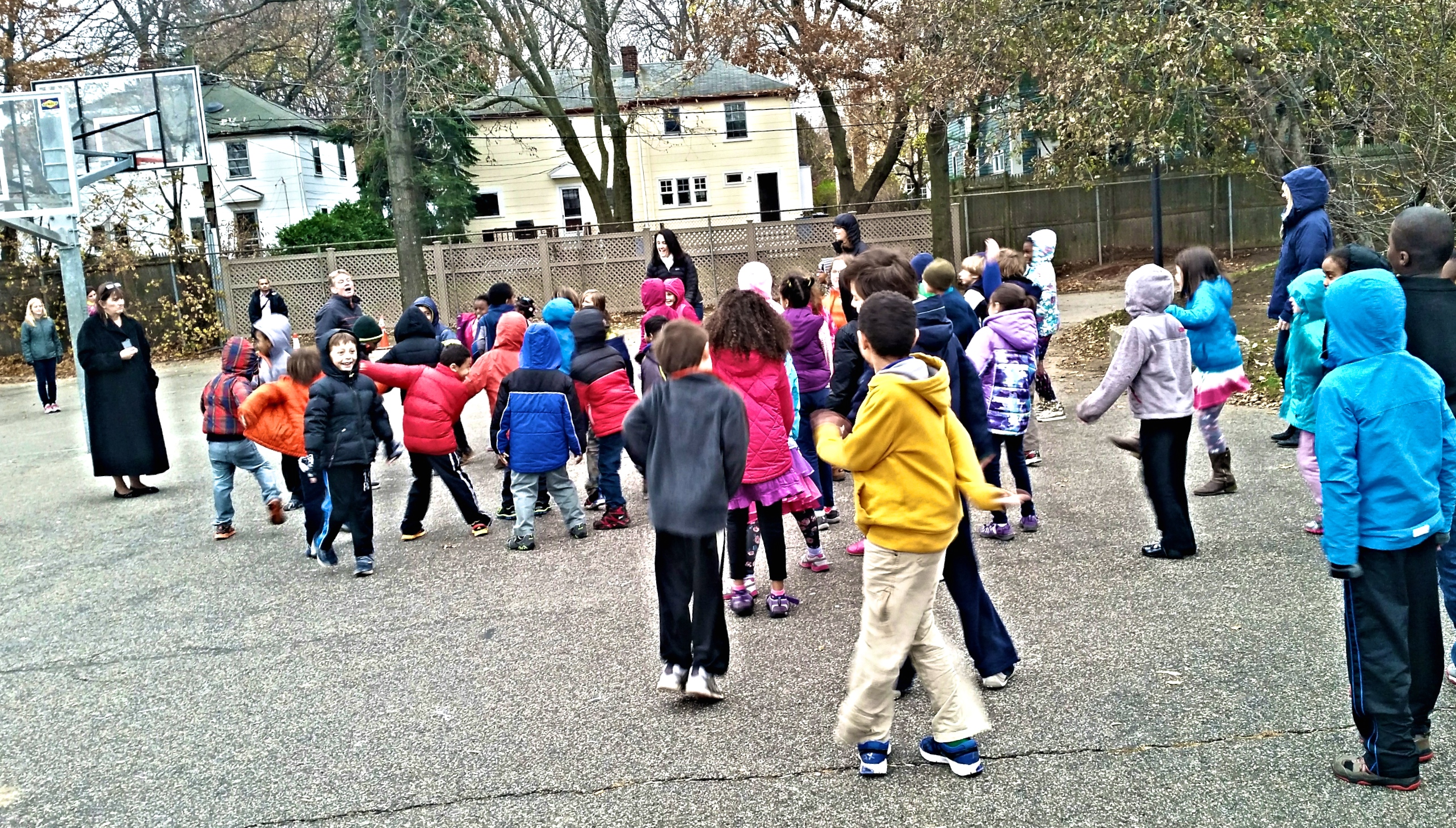
Positions take shape right out of the gate:

Positions take shape right out of the gate

Miles up front left, Gavin far back left

Miles, Gavin, Daddy

Miles out of sight, Gavin holding up the rear, Daddy cracking up

By the time we thought to go greet them at the other side of the building, Miles had already blown by.  We were there in plenty of time to see Gavin though:

"Slow and Steady Wins the Race!"  ~Marge Simpson

“Slow and Steady Wins the Race!” ~Marge Simpson

Hi Five for picking it back up, Buddy

Hi Five for picking it back up, Buddy

After passing us though, Gavin’s motivation again eluded him, and he fell back to a walk and got a teacher convinced he needed to be excused from the rest of the race due to extenuating hardship or something.  So I jogged over and offered to run with him, which we did, nice and steady, mostly hand in hand, to the end.  I say “mostly” because he suddenly had lots of extra energy to practice his nascent parkour skills by jumping off benches and tapping water fountains and fences etc… anything but a strait line.  A little sprint to the finish and voila!  *A* “finish.”

Miles beams; Gavin grimaces

Miles beams,  Gavin not so much

We then gathered for the Awards Ceremony of turkey, pie or cider in the gym.

Three Fastest First Grade Boys in School

The three fastest First Grade Boys receive their prizes

Miles & his Cider; not too shabby Dude!

Miles & his Cider; GREAT JOB BUDDY!!!

GREAT JOB MILES!!!  Congratulations.  (o:

Then although we did not get to see her run, here is ClaraJane and her support crew:

ClaraJane and Her Supporters

The ClaraJane Winners Circle

I hope the kids started to get the message that DOING YOUR BEST and FINISHING WHAT YOU START makes you a winner, whether or not you are the fastest (although that is great too).   Or as Ms. *S* Says:  “If you had FUN, you WON!”

2) CLARAJANE’S CLASSROOM TOUR: 

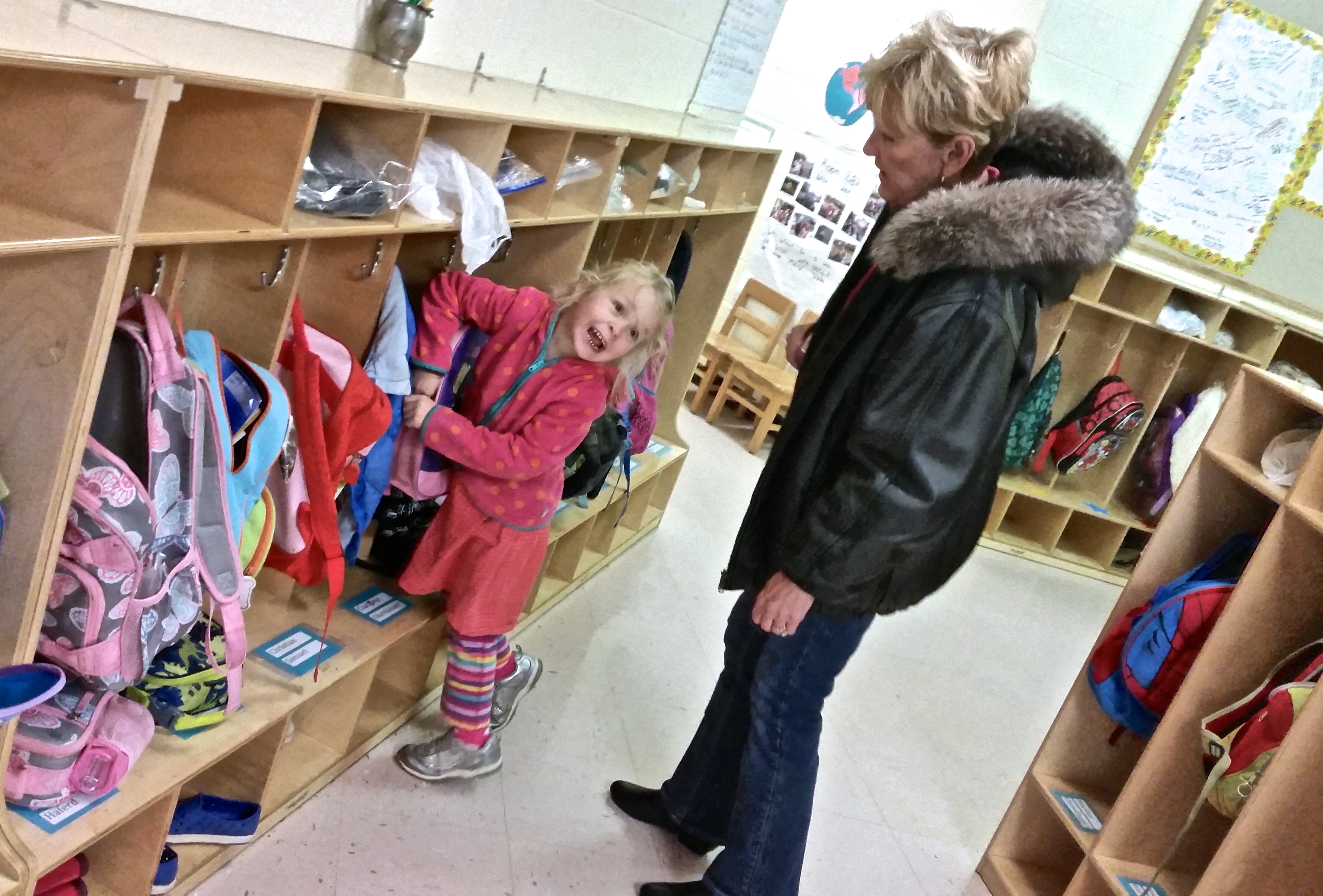
See my cubby, Grandma Z?

“See this is my cubby, Grandma Z!”

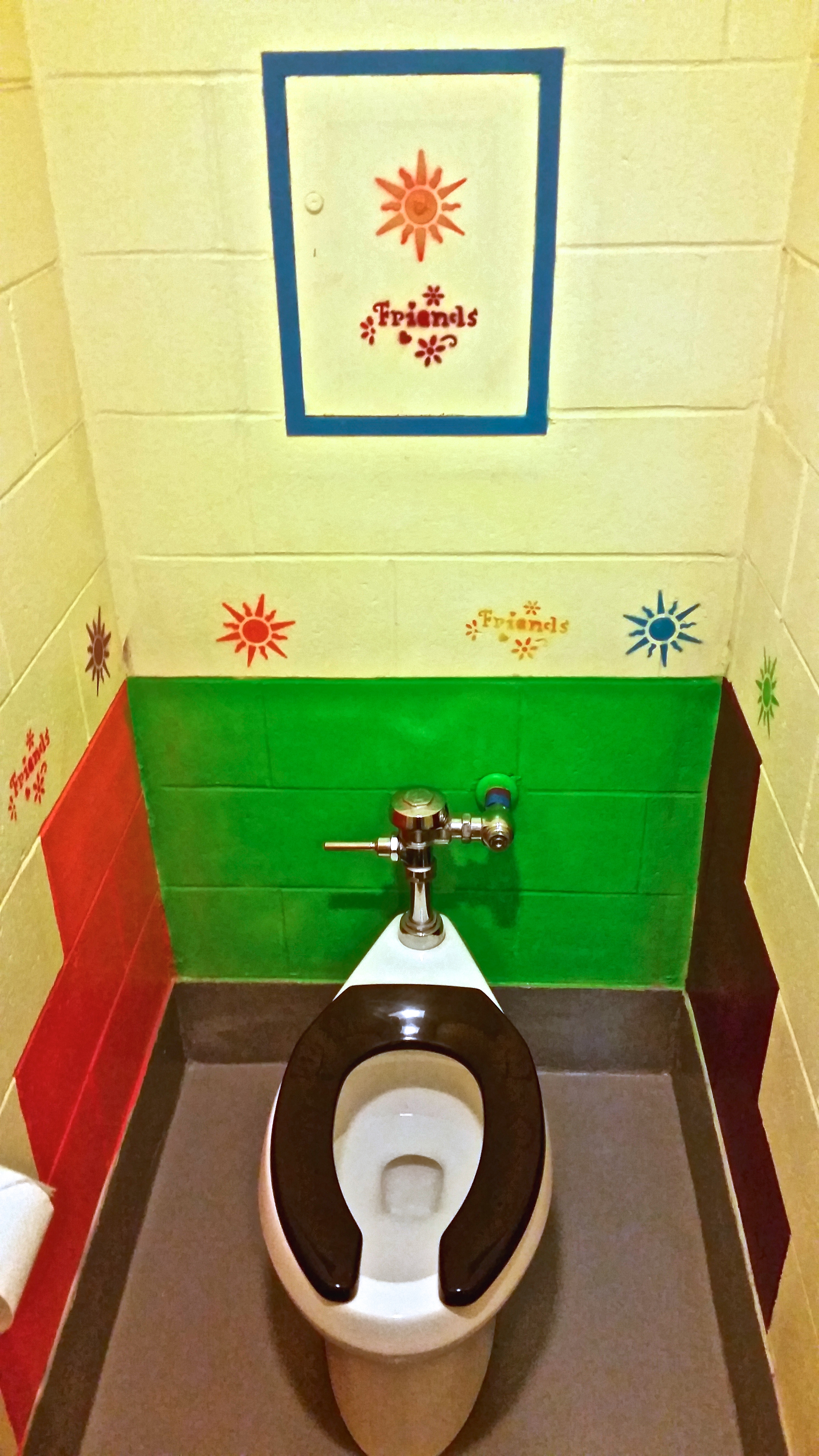
Here is the bathroom my mom painted

“Here is our bathroom my mommy painted.”

"Touch, touch, touch... you missed one... touch..."

“Touch, touch, touch… you missed one… touch…”

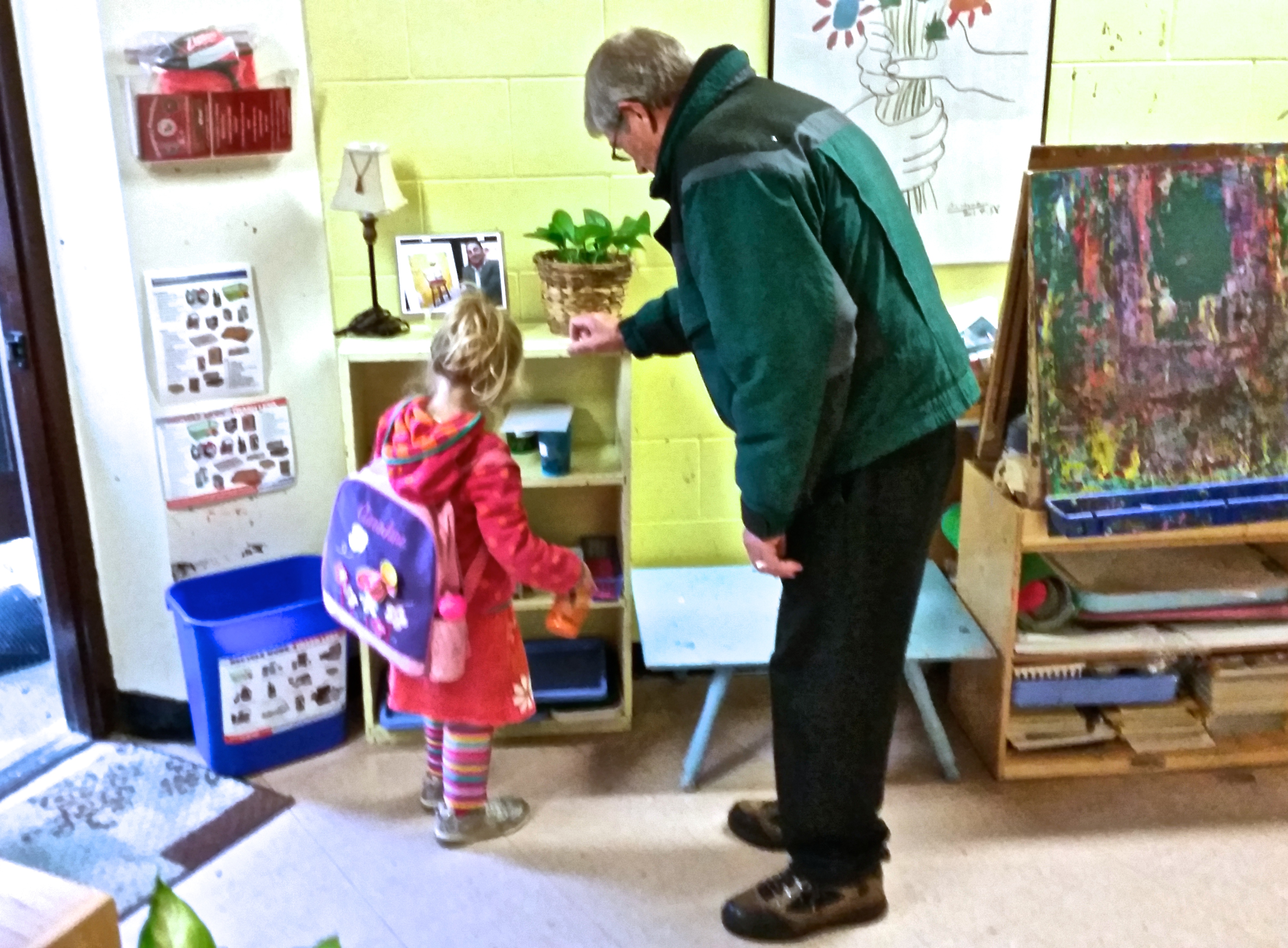
"Here is where we keep the crayons and scissors, Grandpa Jack"

“Here is where we keep the crayons and scissors, Grandpa Jack”

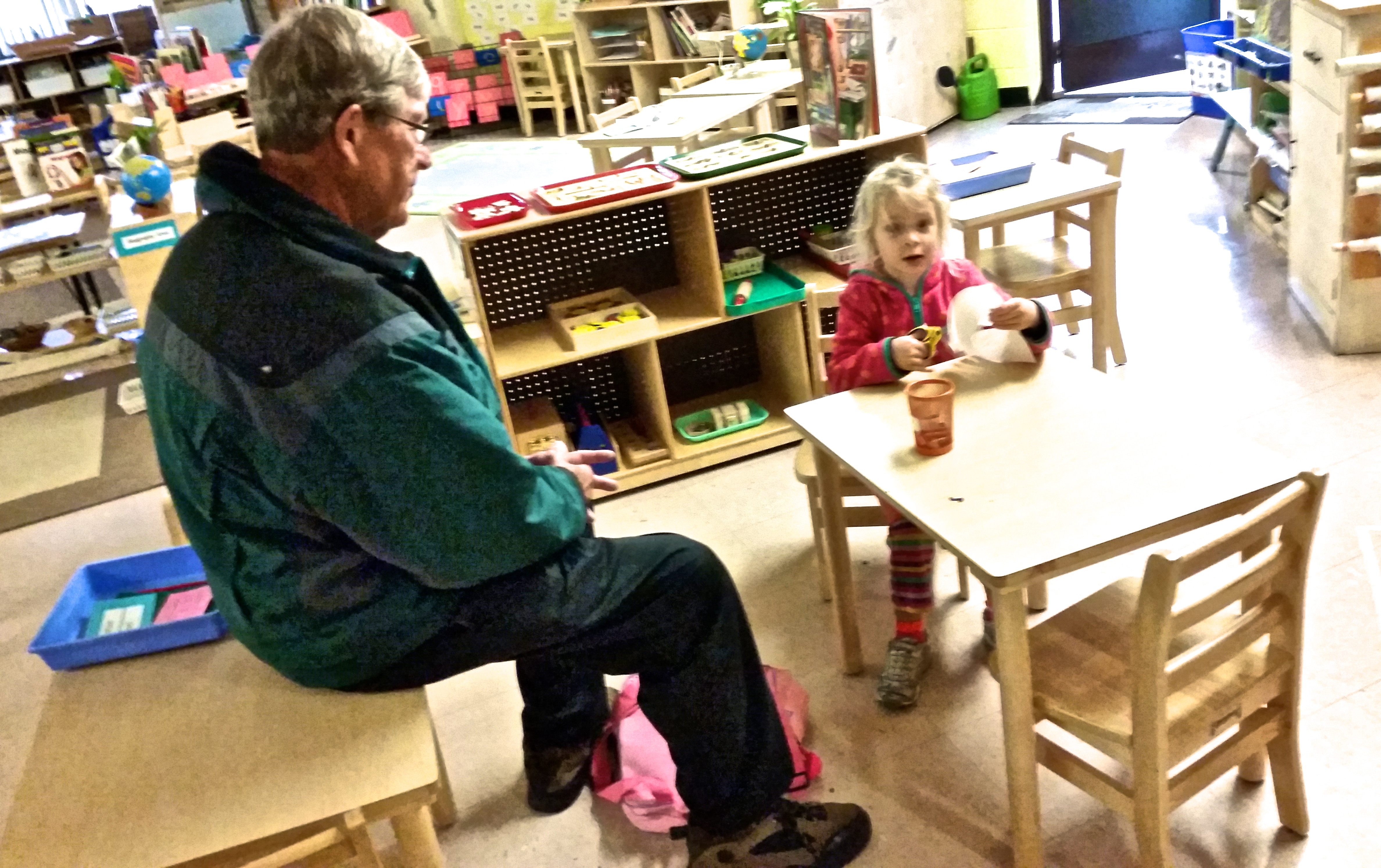
That is not how Montessori children sit at a table, Grandpa Jack, but we won't tell

That is not how you sit at a Montessori table, Grandpa Jack, but we won’t tell

ClaraJane is thankful for "Mom, Dad and brother"

ClaraJane is thankful for “Mom, Dad and my brother”

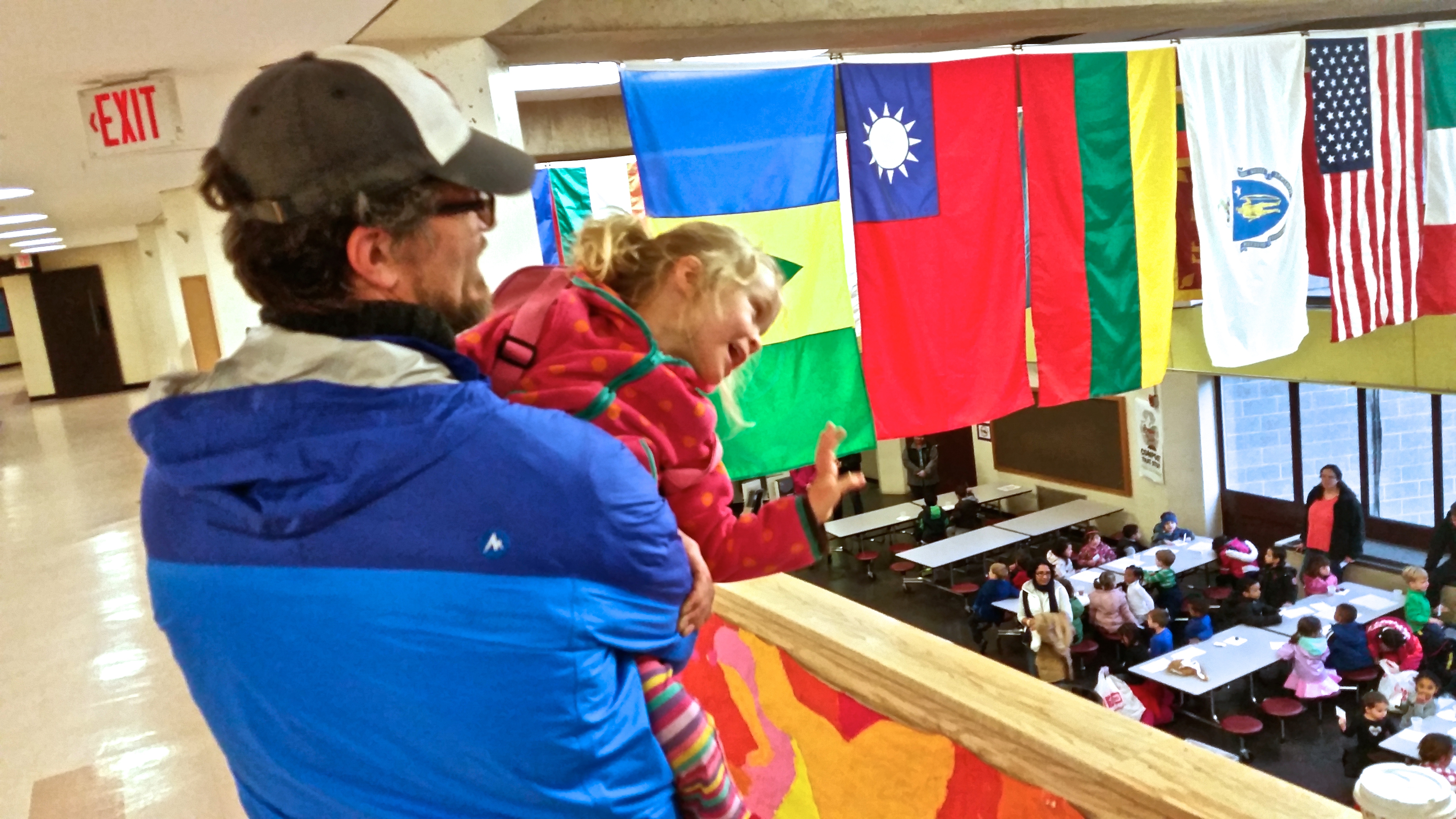
"Hi EVERYBODY down there!  I'm up here, in my daddy's arms!"

“Hi EVERYBODY down there! I’m up here, in my daddy’s arms!”

Such a rare treat for family to be and see in the classroom, and on the child’s terms.  Followed by:

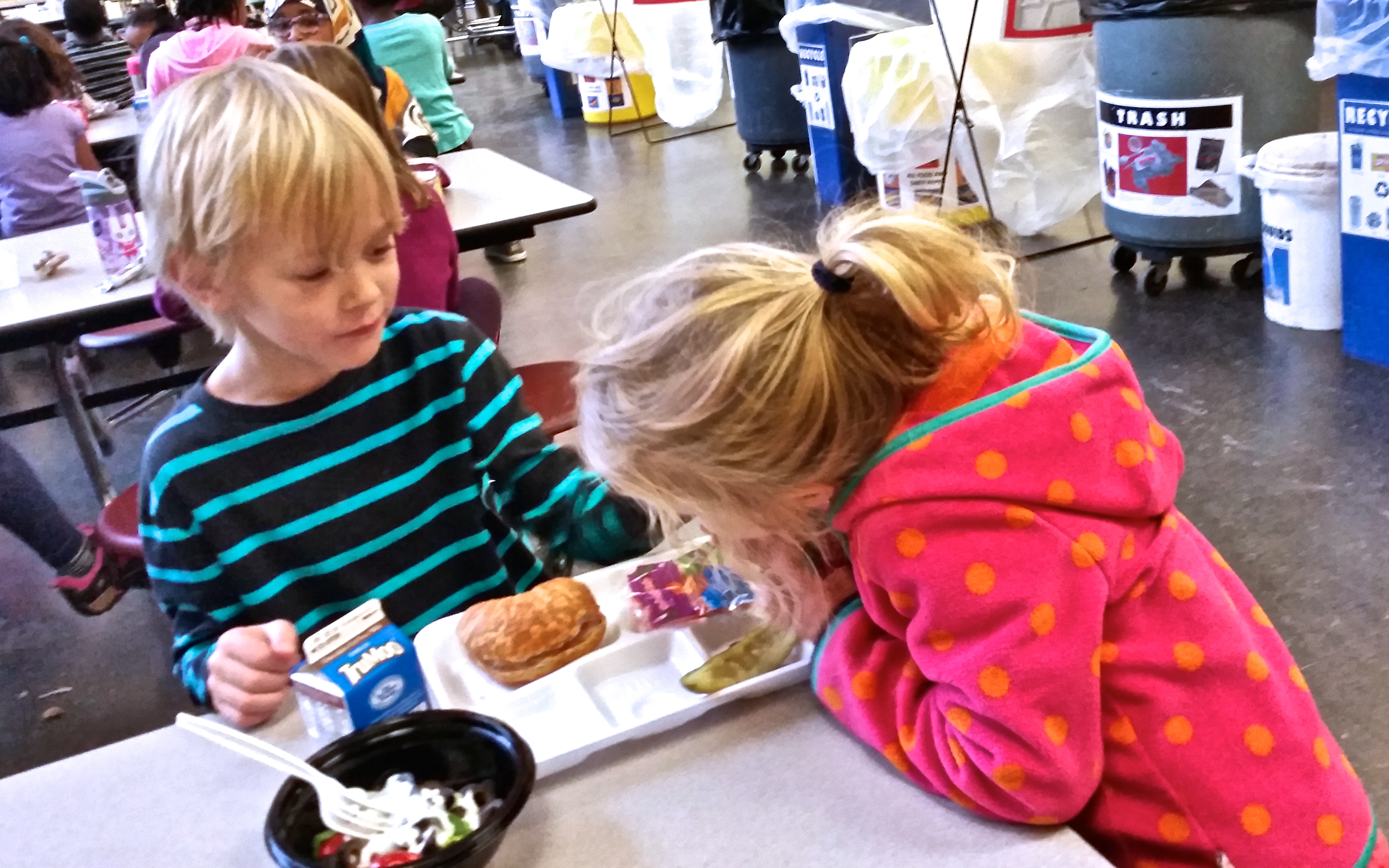
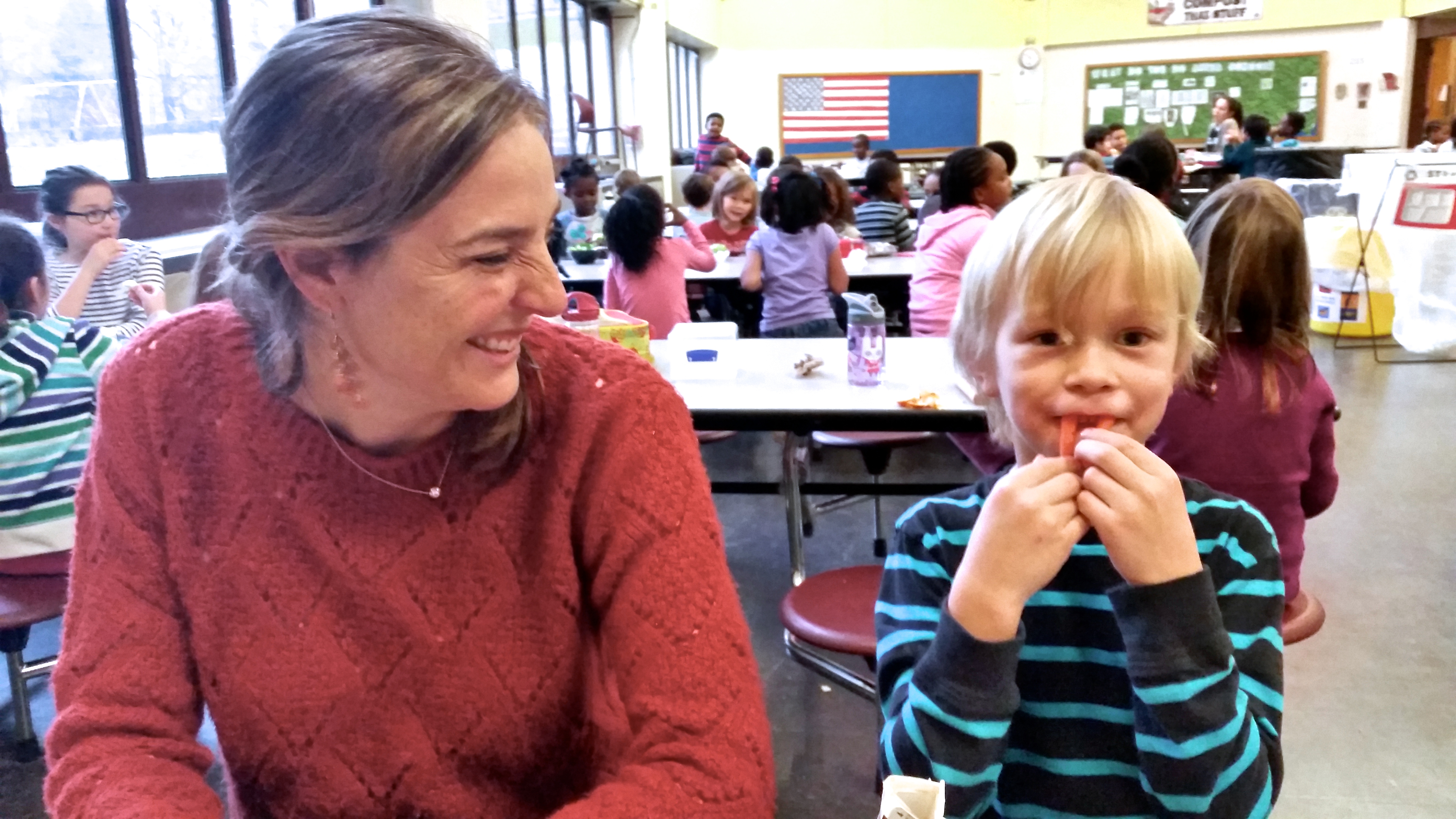
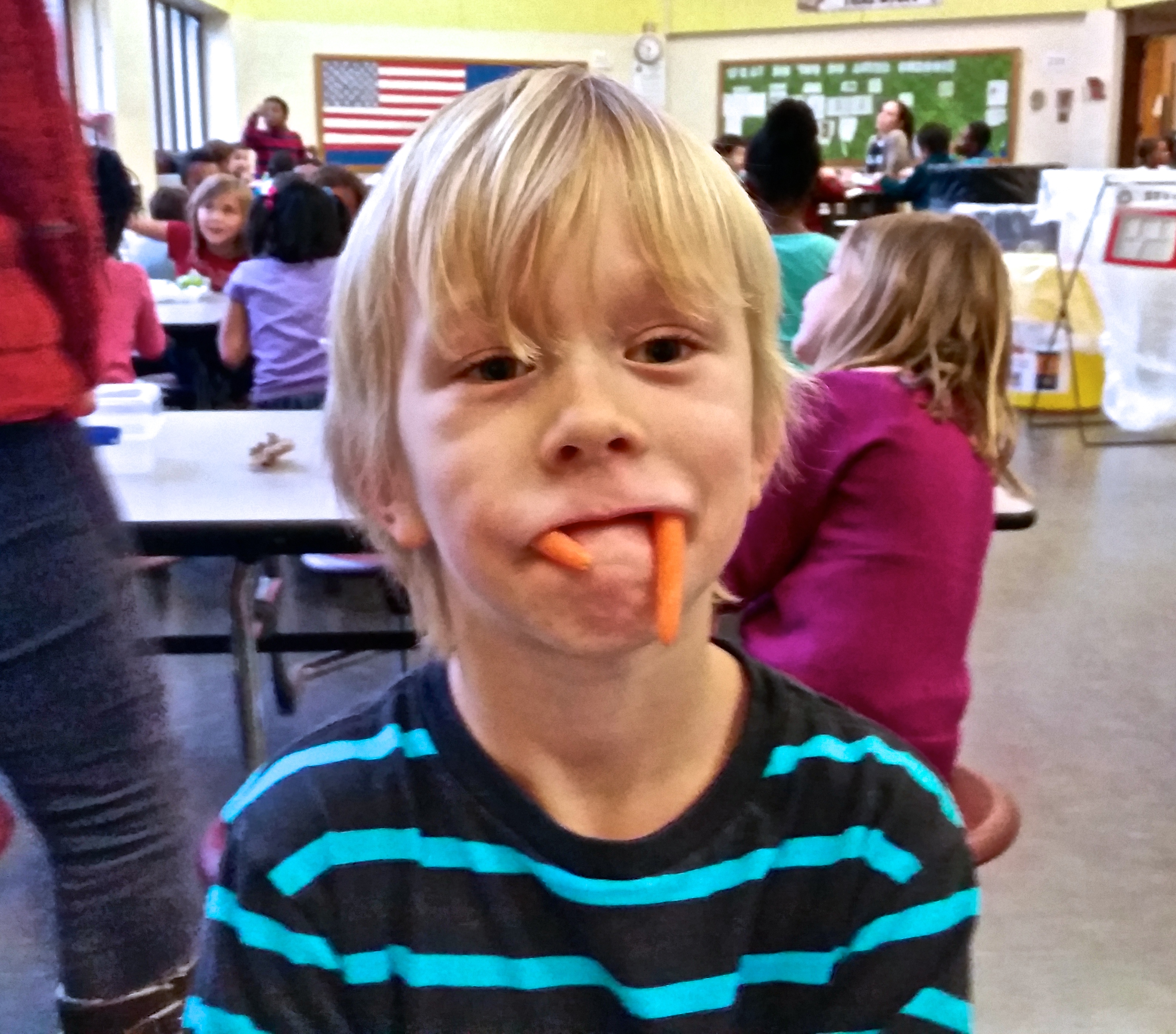
3) CAFETERIA LUNCH WITH MY KIDS: 

After failing to get out of the school in a timely way (per usual), I found my son at lunch already.   (Don’t look now Daddy, but Gavin’s salad bar bowl is full of… [gulp]… black olives!)

Gavin munching a pickle

Gavin munching a pickle

Lets his sister have a bite (GREAT BROTHER!)

Letting his sister have a bite (GREAT BROTHER!)

Entertaining one of his teachers

Entertaining Ms. Lisa

Being a Carrot Bat

Silly Carrot Bat

TWO Silly Carrot Bats

TWO Silly Carrot Bats

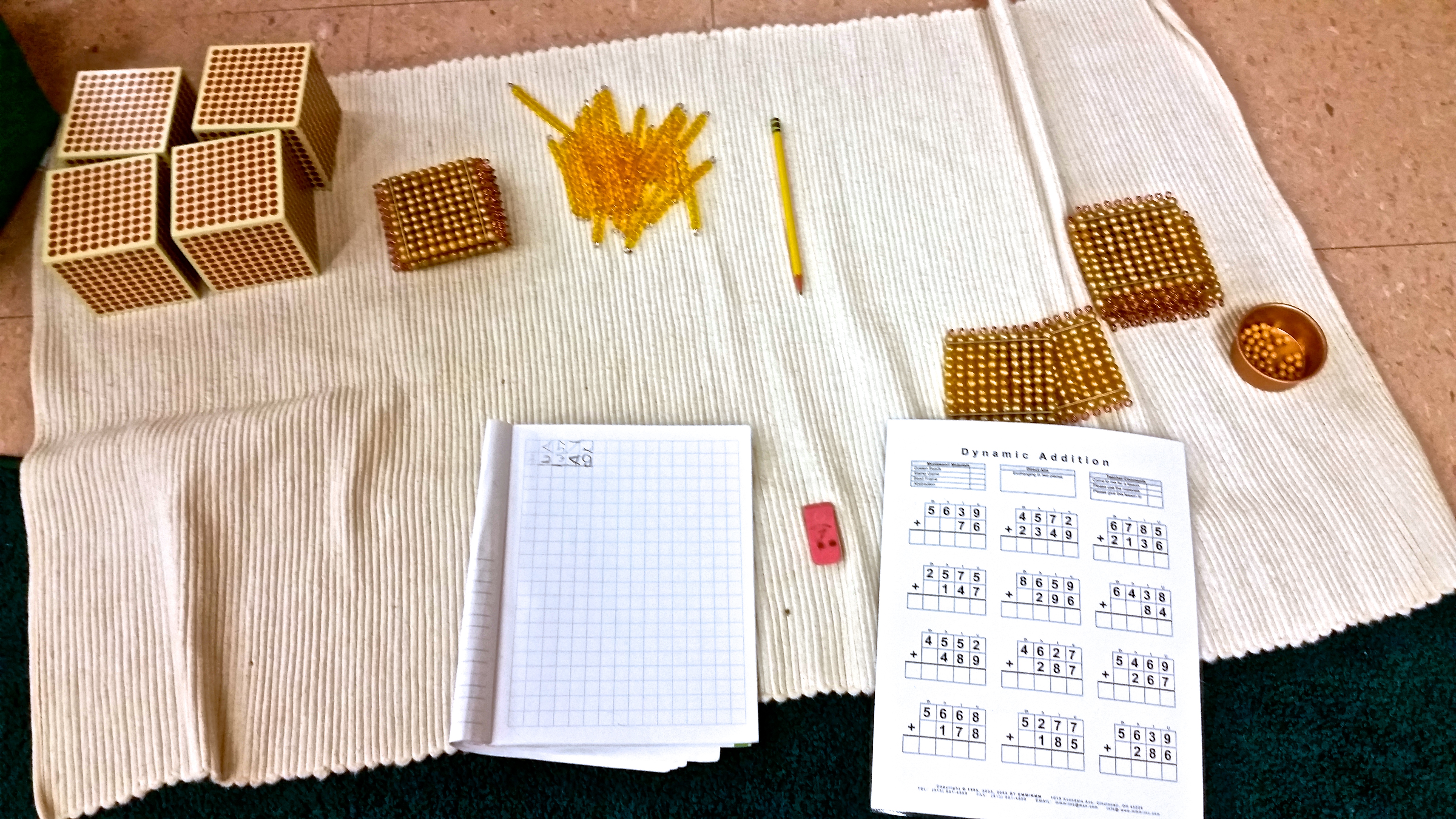
4) GAVIN’S MATH MATERIALS

Here is an example of Montessori works which are so counter-intuitive to those of us who didn’t have the blessing of this style of education.  Here is a typical work area on a mat for an individual student, or team of students, to work on a subject.  In this case the subject is “Dynamic Addition,” which I think means, yes, some of the columns will add up to more than nine, in which case you will need to “exchange” say, ten *ones* in the “One” column for a “One” in the TENS column.  (What we old-farts know as “carry the one” in adding.)

Gavin’s Math Work

The problem he has copied down here is 4572 + 2549 (the second problem listed on the  assigment).  On his mat you can see:

a cup of “ONES BEADS,”  (that is, each bead represents a single unit, or “1”).

a pile of “TENS BEADS” (i.e.; a line of ten beads strung together, representing “ten” (units)… or a “1” in the Tens column if you are writing the number on paper),

some “HUNDREDS SQUARES”  (i.e.; a square of 10 “Tens Beads” stuck together to represent “100”… aka, a “1” in the hundreds column of a number), and

some “THOUSANDS CUBES” (i.e.; you guessed it, 10 Hundreds Squares… representing a thousand units… or a “one” in the thousands column of a number).

Using these materials, theoretically he can solve the equation, as explained to his grandparents:

Gavin describes Dynamic Addition Work to his Grandparents

Grandma Z, being a former elementary school student, was amazed at what she considers  3rd or 4th grade level math happening in 1st grade.  On the other hand Grandpa Jack had no idea what Gavin was talking about.  (o;

All this being said, you can also see on the paper above exactly how far he had gotten in the problem (not very).  The Executive Functioning required in getting all these materials out and the problem written down seems about as far as Gavin could tarry on this day.  Our Dear Boy. [*sigh*]  I’m hoping to learn how to cultivate focus, follow through and Executive Functioning skills in both myself AND in him.  Not easy for creative dreamers with hyperactive minds.  Please wish us luck. [!]

It’s so wonderful we have all this wonderful family and that they visit us!

Now, on to this year’s Thanksgiving Day…

Posted in childhood, domestic life, education, family, Friendship, health, love, mental health, parenthood, patience | Tagged , , , , , , , , , , , , , , , , , , , , , , , , , , , , , | 4 Comments

In the Name of Marriage: Lasting Relationships

This article was so great I wanted to share it for posterity.  It rang true for me and (selfishly?) I’d like my marriage to be one of the survivors.

The original article is here: http://www.businessinsider.com/lasting-relationships-rely-on-2-traits-2014-11

SCIENCE More: The Atlantic Love Relationships
Science Says Lasting Relationships Come Down To 2 Basic Traits
The Atlantic
EMILY ESFAHANI SMITH, THE ATLANTIC
NOV. 9, 2014, 3:20 PM 11,744,403 164

Science says lasting relationships come down to—you guessed it—kindness and generosity.

Every day in June, the most popular wedding month of the year, about 13,000 American couples will say “I do,” committing to a lifelong relationship that will be full of friendship, joy, and love that will carry them forward to their final days on this earth.

Except, of course, it doesn’t work out that way for most people.

The majority of marriages fail, either ending in divorce and separation or devolving into bitterness and dysfunction.

Of all the people who get married, only three in ten remain in healthy, happy marriages, as psychologist Ty Tashiro points out in his book “The Science of Happily Ever After,” which was published earlier this year.

Social scientists first started studying marriages by observing them in action in the 1970s in response to a crisis: Married couples were divorcing at unprecedented rates. Worried about the impact these divorces would have on the children of the broken marriages, psychologists decided to cast their scientific net on couples, bringing them into the lab to observe them and determine what the ingredients of a healthy, lasting relationship were.

Was each unhappy family unhappy in its own way, as Tolstoy claimed, or did the miserable marriages all share something toxic in common?

Psychologist John Gottman was one of those researchers. For the past four decades, he has studied thousands of couples in a quest to figure out what makes relationships work. I recently had the chance to interview Gottman and his wife Julie, also a psychologist, in New York City. Together, the renowned experts on marital stability run The Gottman Institute, which is devoted to helping couples build and maintain loving, healthy relationships based on scientific studies.

John Gottman began gathering his most critical findings in 1986, when he set up “The Love Lab” with his colleague Robert Levenson at the University of Washington. Gottman and Levenson brought newlyweds into the lab and watched them interact with each other.

With a team of researchers, they hooked the couples up to electrodes and asked the couples to speak about their relationship, like how they met, a major conflict they were facing together, and a positive memory they had. As they spoke, the electrodes measured the subjects’ blood flow, heart rates, and how much they sweat they produced. Then the researchers sent the couples home and followed up with them six years later to see if they were still together.

From the data they gathered, Gottman separated the couples into two major groups: the masters and the disasters. The masters were still happily together after six years. The disasters had either broken up or were chronically unhappy in their marriages.

When the researchers analyzed the data they gathered on the couples, they saw clear differences between the masters and disasters. The disasters looked calm during the interviews, but their physiology, measured by the electrodes, told a different story. Their heart rates were quick, their sweat glands were active, and their blood flow was fast. Following thousands of couples longitudinally, Gottman found that the more physiologically active the couples were in the lab, the quicker their relationships deteriorated over time.

But what does physiology have to do with anything? The problem was that the disasters showed all the signs of arousal — of being in fight-or-flight mode — in their relationships. Having a conversation sitting next to their spouse was, to their bodies, like facing off with a saber-toothed tiger.

Even when they were talking about pleasant or mundane facets of their relationships, they were prepared to attack and be attacked. This sent their heart rates soaring and made them more aggressive toward each other. For example, each member of a couple could be talking about how their days had gone, and a highly aroused husband might say to his wife, “Why don’t you start talking about your day. It won’t take you very long.”

couple eye contact
Flickr/Marg

The masters, by contrast, showed low physiological arousal. They felt calm and connected together, which translated into warm and affectionate behavior, even when they fought. It’s not that the masters had, by default, a better physiological make-up than the disasters; it’s that masters had created a climate of trust and intimacy that made both of them more emotionally and thus physically comfortable.

Gottman wanted to know more about how the masters created that culture of love and intimacy, and how the disasters squashed it. In a follow-up study in 1990, he designed a lab on the University of Washington campus to look like a beautiful bed and breakfast retreat.

He invited 130 newlywed couples to spend the day at this retreat and watched them as they did what couples normally do on vacation: cook, clean, listen to music, eat, chat, and hang out. And Gottman made a critical discovery in this study — one that gets at the heart of why some relationships thrive while others languish.

Throughout the day, partners would make requests for connection, what Gottman calls “bids.” For example, say that the husband is a bird enthusiast and notices a goldfinch fly across the yard. He might say to his wife, “Look at that beautiful bird outside!” He’s not just commenting on the bird here: he’s requesting a response from his wife — a sign of interest or support — hoping they’ll connect, however momentarily, over the bird.

The wife now has a choice. She can respond by either “turning toward” or “turning away” from her husband, as Gottman puts it. Though the bird-bid might seem minor and silly, it can actually reveal a lot about the health of the relationship. The husband thought the bird was important enough to bring it up in conversation and the question is whether his wife recognizes and respects that.

People who turned toward their partners in the study responded by engaging the bidder, showing interest and support in the bid. Those who didn’t — those who turned away — would not respond or respond minimally and continue doing whatever they were doing, like watching TV or reading the paper. Sometimes they would respond with overt hostility, saying something like, “Stop interrupting me, I’m reading.”

These bidding interactions had profound effects on marital well-being. Couples who had divorced after a six-year follow up had “turn-toward bids” 33 percent of the time. Only three in ten of their bids for emotional connection were met with intimacy. The couples who were still together after six years had “turn-toward bids” 87 percent of the time. Nine times out of ten, they were meeting their partner’s emotional needs.

couple in love
Flickr/Scarleth Marie

By observing these types of interactions, Gottman can predict with up to 94 percent certainty whether couples — straight or gay, rich or poor, childless or not — will be broken up, together and unhappy, or together and happy several years later. Much of it comes down to the spirit couples bring to the relationship. Do they bring kindness and generosity; or contempt, criticism, and hostility?
“There’s a habit of mind that the masters have,” Gottman explained in an interview, “which is this: they are scanning social environment for things they can appreciate and say thank you for. They are building this culture of respect and appreciation very purposefully. Disasters are scanning the social environment for partners’ mistakes.”

“It’s not just scanning environment,” chimed in Julie Gottman. “It’s scanning the partner for what the partner is doing right or scanning him for what he’s doing wrong and criticizing versus respecting him and expressing appreciation.”

Contempt, they have found, is the number one factor that tears couples apart. People who are focused on criticizing their partners miss a whopping 50 percent of positive things their partners are doing and they see negativity when it’s not there.

People who give their partner the cold shoulder — deliberately ignoring the partner or responding minimally — damage the relationship by making their partner feel worthless and invisible, as if they’re not there, not valued. And people who treat their partners with contempt and criticize them not only kill the love in the relationship, but they also kill their partner’s ability to fight off viruses and cancers. Being mean is the death knell of relationships.

Kindness, on the other hand, glues couples together. Research independent from theirs has shown that kindness (along with emotional stability) is the most important predictor of satisfaction and stability in a marriage. Kindness makes each partner feel cared for, understood, and validated—feel loved. “My bounty is as boundless as the sea,” says Shakespeare’s Juliet. “My love as deep; the more I give to thee, / The more I have, for both are infinite.” That’s how kindness works too: there’s a great deal of evidence showing the more someone receives or witnesses kindness, the more they will be kind themselves, which leads to upward spirals of love and generosity in a relationship.

There are two ways to think about kindness. You can think about it as a fixed trait: either you have it or you don’t. Or you could think of kindness as a muscle. In some people, that muscle is naturally stronger than in others, but it can grow stronger in everyone with exercise. Masters tend to think about kindness as a muscle. They know that they have to exercise it to keep it in shape. They know, in other words, that a good relationship requires sustained hard work.

“If your partner expresses a need,” explained Julie Gottman, “and you are tired, stressed, or distracted, then the generous spirit comes in when a partner makes a bid, and you still turn toward your partner.”

In that moment, the easy response may be to turn away from your partner and focus on your iPad or your book or the television, to mumble “Uh huh” and move on with your life, but neglecting small moments of emotional connection will slowly wear away at your relationship. Neglect creates distance between partners and breeds resentment in the one who is being ignored.

The hardest time to practice kindness is, of course, during a fight—but this is also the most important time to be kind. Letting contempt and aggression spiral out of control during a conflict can inflict irrevocable damage on a relationship.

old couple
Flickr/Ian Livesey

“Kindness doesn’t mean that we don’t express our anger,” Julie Gottman explained, “but the kindness informs how we choose to express the anger. You can throw spears at your partner. Or you can explain why you’re hurt and angry, and that’s the kinder path.”
John Gottman elaborated on those spears: “Disasters will say things differently in a fight. Disasters will say ‘You’re late. What’s wrong with you? You’re just like your mom.’ Masters will say ‘I feel bad for picking on you about your lateness, and I know it’s not your fault, but it’s really annoying that you’re late again.’”

For the hundreds of thousands of couples getting married each June — and for the millions of couples currently together, married or not — the lesson from the research is clear: If you want to have a stable, healthy relationship, exercise kindness early and often.

When people think about practicing kindness, they often think about small acts of generosity, like buying each other little gifts or giving one another back rubs every now and then. While those are great examples of generosity, kindness can also be built into the very backbone of a relationship through the way partners interact with each other on a day-to-day basis, whether or not there are back rubs and chocolates involved.

One way to practice kindness is by being generous about your partner’s intentions. From the research of the Gottmans, we know that disasters see negativity in their relationship even when it is not there. An angry wife may assume, for example, that when her husband left the toilet seat up, he was deliberately trying to annoy her. But he may have just absent-mindedly forgotten to put the seat down.

Or say a wife is running late to dinner (again), and the husband assumes that she doesn’t value him enough to show up to their date on time after he took the trouble to make a reservation and leave work early so that they could spend a romantic evening together. But it turns out that the wife was running late because she stopped by a store to pick him up a gift for their special night out.

Imagine her joining him for dinner, excited to deliver her gift, only to realize that he’s in a sour mood because he misinterpreted what was motivating her behavior. The ability to interpret your partner’s actions and intentions charitably can soften the sharp edge of conflict.

“Even in relationships where people are frustrated, it’s almost always the case that there are positive things going on and people trying to do the right thing,” psychologist Ty Tashiro told me. “A lot of times, a partner is trying to do the right thing even if it’s executed poorly. So appreciate the intent.”

Another powerful kindness strategy revolves around shared joy. One of the telltale signs of the disaster couples Gottman studied was their inability to connect over each other’s good news. When one person in the relationship shared the good news of, say, a promotion at work with excitement, the other would respond with wooden disinterest by checking his watch or shutting the conversation down with a comment like, “That’s nice.”

We’ve all heard that partners should be there for each other when the going gets rough. But research shows that being there for each other when things go right is actually more important for relationship quality. How someone responds to a partner’s good news can have dramatic consequences for the relationship.

In one study from 2006, psychological researcher Shelly Gable and her colleagues brought young adult couples into the lab to discuss recent positive events from their lives. They psychologists wanted to know how partners would respond to each other’s good news. They found that, in general, couples responded to each other’s good news in four different ways that they called: passive destructive, active destructive, passive constructive, and active constructive.

Let’s say that one partner had recently received the excellent news that she got into medical school. She would say something like “I got into my top choice med school!”

If her partner responded in a passive destructive manner, he would ignore the event. For example, he might say something like: “You wouldn’t believe the great news I got yesterday! I won a free t-shirt!”

If her partner responded in a passive constructive way, he would acknowledge the good news, but in a half-hearted, understated way. A typical passive constructive response is saying “That’s great, babe” as he texts his buddy on his phone.

In the third kind of response, active destructive, the partner would diminish the good news his partner just got: “Are you sure you can handle all the studying? And what about the cost? Med school is so expensive!”

Finally, there’s active constructive responding. If her partner responded in this way, he stopped what he was doing and engaged wholeheartedly with her: “That’s great! Congratulations! When did you find out? Did they call you? What classes will you take first semester?”

Among the four response styles, active constructive responding is the kindest. While the other response styles are joy-killers, active constructive responding allows the partner to savor her joy and gives the couple an opportunity to bond over the good news. In the parlance of the Gottmans, active constructive responding is a way of “turning toward” your partners bid (sharing the good news) rather than “turning away” from it.

Active constructive responding is critical for healthy relationships. In the 2006 study, Gable and her colleagues followed up with the couples two months later to see if they were still together. The psychologists found that the only difference between the couples who were together and those who broke up was active constructive responding. Those who showed genuine interest in their partner’s joys were more likely to be together. In an earlier study, Gable found that active constructive responding was also associated with higher relationship quality and more intimacy between partners.

There are many reasons why relationships fail, but if you look at what drives the deterioration of many relationships, it’s often a breakdown of kindness. As the normal stresses of a life together pile up—with children, career, friend, in-laws, and other distractions crowding out the time for romance and intimacy—couples may put less effort into their relationship and let the petty grievances they hold against one another tear them apart.

In most marriages, levels of satisfaction drop dramatically within the first few years together. But among couples who not only endure, but live happily together for years and years, the spirit of kindness and generosity guides them forward.

Read more: http://www.theatlantic.com/health/archive/2014/06/happily-ever-after/372573/#ixzz3JLF2gcV8

Posted in domestic life, education, faith, family, forgiveness, Friendship, health, love, marriage, mental health, parenthood, patience, work | Tagged , , | 2 Comments

JoJo & Avila: Best Feature Film Winner!

It’s been nearly a week since our encounter with the Incredible Adventures of JoJo and his Annoying Sister Avila, and there are some wonderful updates:

First of all, the Director Brian Schmidt wrote me a lovely note of thanks for my family’s enthusiasm for the film, and the news that it WON BEST FEATURE at the Boston International Kids Film Festival!  Here’s the announcement (as an update on their KickStarter campaign) and a shot of their second daughter Autumn with the prize:

Autumn and the "Glass Oculus" Trophy

Autumn and the “Glass Oculus” Trophy

“Well we did it!!! The Incredible Adventures of Joe Joe and His Annoying Little Sister Avila, won ‘Best Feature’ at the Boston International kids film festival!this is been a long 6 years and we greatly appreciate this win!” ~JoJo and Avila Facebook Page

************************************************************************************

Secondly, they directly allayed my fears of scaring them with my “cyber-stalking.”  They even shared my first post about them on their Facebook Page.  So with no further adieu, pardon me but have you SEEN THE TRAILER?

[It’s 90 seconds]:  

The URL is https://www.youtube.com/watch?v=ACQ-tCyrLSc&feature=youtu.be

Posted in childhood, Friendship, nature, parenthood, work | Tagged , , , , , , , , , , , | 3 Comments

All Things Incredible JoJo and Avila

Safe Image

Maybe wolves DON’T make the best babysitters…

Basically, I am anomalously bound by a hurt back this weekend and -amazingly- NO GIGS!  Serendipitously here comes this amazing piece of work to occupy my thoughts.  As I scratch my head wondering why and how it is the whole world doesn’t know about this Film already, I have my suspicions.  (Stay tuned.)  But in the meantime I want to document/share the results of my new avocation as Cyber-Stalker of this incredibly dedicated, Mom/Dad “Treehouse Mafia” Team.  So think, “This little piggy…”

1)  Here is the film’s website: http://www.incrediblejojo.com

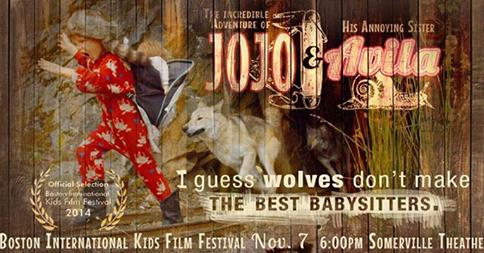
2) Here’s an awesome poster of the film:

Hang on to the Family You Got

Hang on to the Family You Got

3)  Here is the JoJo & Avila Film Facebook Page (click to follow)!

4) Here is “Joy and Heartbreak;” a beautiful post by Brian Shmidt’s about shooting and Indie Film, with just he and his wife alone, PLUS KIDS… and animals.

Entire Crew and Lead Actors

“Entire Crew and Lead Actors”

4) Here is their passionate yet dismally failed first KickStarter attempt from 2012 where they give away the store, and this update with lots of interesting information.

6)  Here is their first published review

From the California Premiere in San Louis Obispo ("SLO")

From the California Premiere in San Louis Obispo (“SLO”)

7)  HERE is where you CLICK TO DEMAND the film be brought to your area!

Well ARE you?

Well ARE you?

8)  Here are the trailers, 30 secs, 90secs & 2mins, respectively:

JoJo Quick 30 Second Trailer.

JoJo 90-Second Trailer.

JoJo 2-Minute Trailer.

And… MWUAH HA HA. And now that I am OFFICIALLY stalking the self-titled “Repeal Child Labor Laws” Productions, I have found MORE of their so-called “WORK.” Behold:

10)  “The Fall of Autumn
Published on May 25, 2013
Description:  We just wanted to give the stegosaurus and the t-rex a run for their money. I hear horrible things can happen when you wake a dad up from his peaceful nap. [1min, 6secs]: https://www.youtube.com/watch?v=ELRsVCL9q4w&feature=youtu.be

11) Paddy’s Pub – Just One More for the Princess
Uploaded on Nov 8, 2010
Description:  This is our submission for the ‘It’s always sunny in Philadelphia’ paddy’s pub commercial contest. Sometimes a little princess just wants one more drink. [19secs]:

12)  JoJo’s Jump – Uploaded in Feb 2012.  Showcasing the adventurous life in the Sonora California Gold Country [38secs]:

(I also found a single animated short, but alas it’s too profane for me to post here, and something I didn’t relate to, about chickens.)

13) MOREOVER, MOST IMPORTANTLY AND BOTTOM LINE:  Here is Brian Shmidt with his kids plugging their effort to translate JoJo into several languages (including ASL/Sign Language!) with all kinds of affordable levels of support and rewards  [52 seconds]: http://kck.st/1vCAv4r

JoJo is King of Couch Mountain

JoJo is King of Couch Mountain

Note, this is their NEW, CURRENT KickStarter campaign, with a different strategic approach more likely to succeed this time.

14)  YO!  That is to say:  

You can get a DVD of the movie for a $25 donation, HERE!  (Kickstarter uses your Amazon account, so hopefully that is not prohitive.)  GREAT HOLIDAY GIFT IF YOU ASK ME.  (I recognize you didn’t, but still…)  http://kck.st/1vCAv4r

Not to mention the greatest reward of knowing that kids in other languages and cultures could enjoy it too:

"Avila! You pooped your pants!"

“Avila! You pooped your pants!”

Posted in childhood, domestic life, education, faith, family, nature, parenthood, patience, work | Tagged , , , , , , , , , | Leave a comment

The Incredible Adventure of Jojo (and His Annoying Sister Avila)

I saw the most amazing movie last night!

Being frugal, we don’t generally splurge on entertainment. But when I received a message from a friend yesterday afternoon and watched this trailer, I knew I wanted to go.  When I showed it to my husband and kids, they agreed.  We just rearranged our plans and WENT. Amazing what a difference 90 seconds can make!  I dare you not to love this:

Such an experience!  This film is a genre unto itself.  It has all the realism of a home-movie, with the outrageousness of a cartoon.  It’s scandalously riveting for children while HORRIFYING to parents; a uniquely HARROWING, OUTRAGEOUS COMEDY.  It’s so well done, it’s hard to not suspend disbelief.  Yet the tongue-in-cheek comedy embarrasses you for doing so.  At times I felt the blood drain out of my face  -watching the children literally dangle in peril-  doubting I had the constitution to withstand another second.  Then I’d be laughing at both myself and the film when it repeatedly refuses to take itself seriously.  (Hello angry hobo clown!)  And throughout it all I’m weeping constantly at the profoundness of the evolving relationship between this boy and his “annoying” (aka: baby) sister.

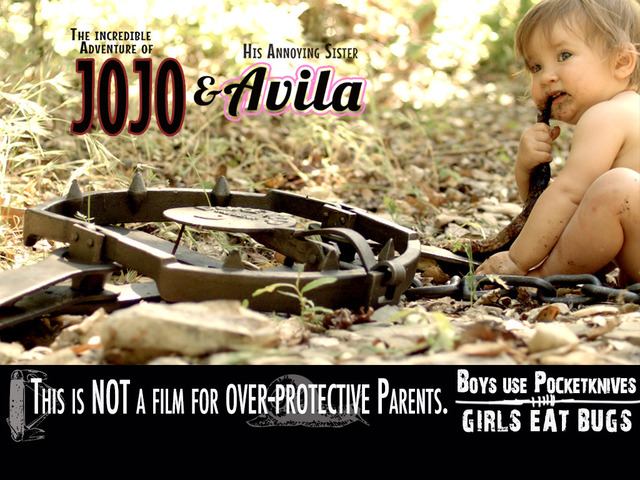
NOT a film for over-protective parents!

Yes, that’s an unattended naked baby, chewing the meat from a live bear trap.

As a mother of a boy and baby girl, for me I guess it really does all boil down to the reluctant but committed dedication of this boy to his baby sister.  Like you hope YOUR kids would have if it was YOUR dumb fate to drive off the road leaving your kids to fend for themselves.

Jojo & Avila escaping wolves

Jojo & Avila escaping wolves

And it was amazing how much my kids were not only entranced, but *got* the movie.  When at first the boy opts to ditch carrying his sister in favor of his backpack full of toys, my 3 y/o daughter immediately protests, “WHY IS HE LEAVING THAT BABY ALONE?!?”

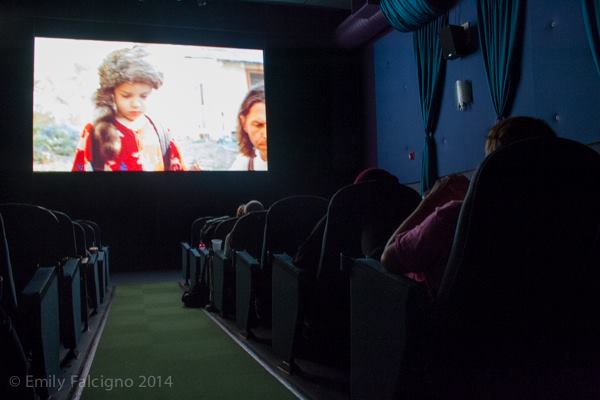
Screening Incredible JoJo at Boston International Kids Film Fest

Screening Incredible JoJo at Boston International Kids Film Fest (photo Emily Falcigno)

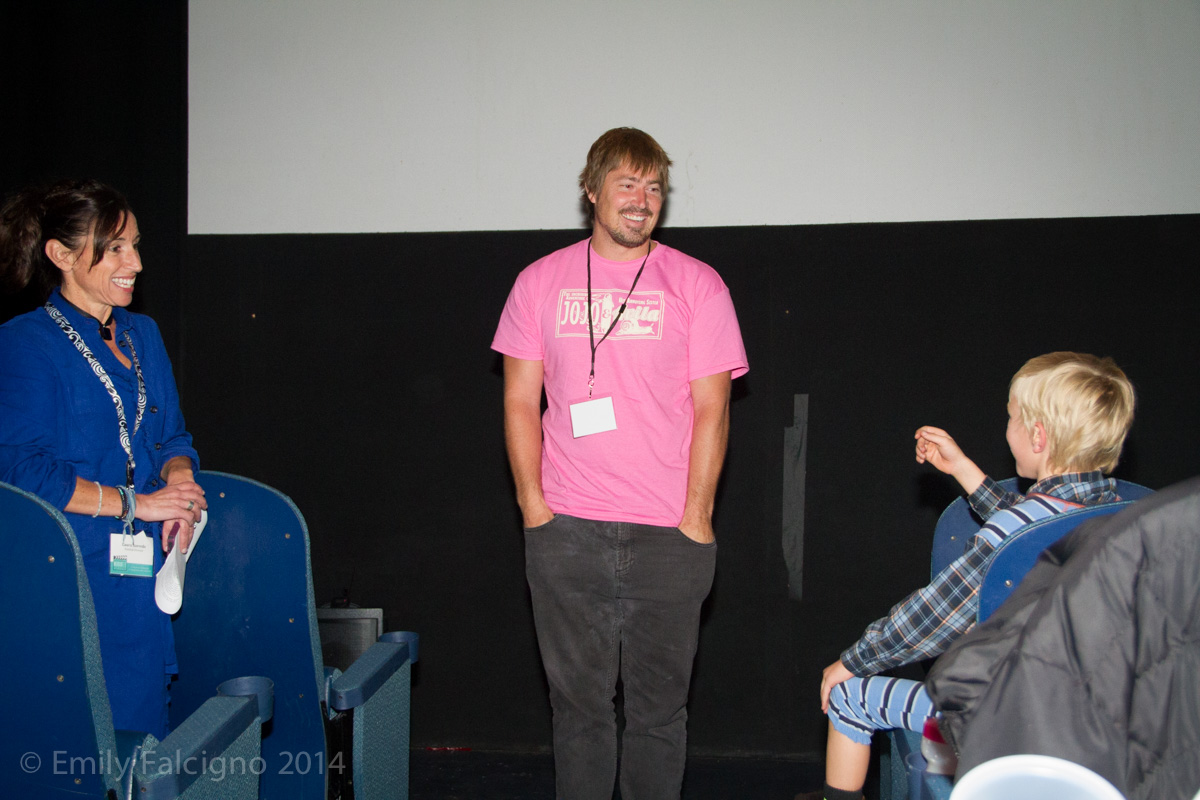
Here’s a glimpse of the director, Brian Schmidt -con bambinos- who wrote the movie with his wife, Ann-Marie Plastron:[https://www.kickstarter.com/projects/1925850436/incredible-jojo-and-his-annoying-sister-avila]

Because this was its premiere at the Boston Film Festival, he’d flown in for the screening from California and did a  Q&A afterwards!  Naturally my son was the first to raise his hand; “Are there prizes for kids who dressed up in their pajamas and boots?”   (There were.)

Gavin and Directors of both Festival and Film

Then I did some unfocused blubbering and thanking him for artfully coming SO queasily close while successfully *skirting* issues that would have been awful and difficult to explain to the children (e.g. contents of garbage bags thrown in the river by spoofed mafioso types, ahem).

JoJo's infectious face

JoJo’s infectious face

Another kid asked, “Was that a real hobo?”  to which he replied, “Well, he IS an actor in L.A., so probably, yes.”  And, “Did the baby really eat the snail?”  The reply; “I don’t know how many of you have experienced this, but that snail is probably one of the LEAST disgusting things my children put in their mouths as babies.”

Incredible Adventure

It would definitely make Mark Twain proud

The MUSIC is also wonderful.  And the ILLUSTRATIONS in the credits are truly fantastic.  (Illustration is what Brian Schmidt originally went to school for.)   This film is their first.  I can hardly wait to see what they do next.  Here’s their Facebook page: [https://www.facebook.com/JojoAndAvila]

Incidentally, the Boston International Kids Film Festival is really something quite special: “to help young people learn to use the media so that it doesn’t use them. We want to empower the next generation to find their own unique voices as they discover the power and potential of visual media.”  Here’s the website homepage with a wonderful little preview trailer about it:  [http://bikff.org]

Happening now at Somerville Theatre and Tufts University

Nov 7-9, 2014

And maybe it was my imagination this morning, but it seemed like my son exercised a little extra generosity towards his sister when she asked him to spin her in the spinny chair after breakfast.  Here he is modeling his new PRIZE RACCOON HAT like JoJo’s, generously gifted to him by Mr. Schmidt last night for wearing pajamas and boots (a great look for any occasion, if you ask me):

CJ & Gavin in JoJo Hat

CJ & Gavin in JoJo Raccoon Hat

(Of course my daughter’s face is overflowing with eggs.)

And here, because apparently we cannot get enough of JoJo and Avila, is another version of the trailer [2mins]:   [http://www.funnyordie.com/videos/de2d0bade4/trailer-for-incredible-adventure-of-jojo-and-his-annoying-little-sister-avila]

(And heads up because this swooning new obsession of mine is not over!)

Posted in childhood, domestic life, faith, family, food, Friendship, health, love, mental health, nature, parenthood | Tagged , , , , , , , , , , | 3 Comments

Where it at Doe?

Just a silly thing from the internet. A newscaster amusing himself during commercial break, to the chagrin of his co-anchor. However it’s a wonderful clown piece with the ultimate “strait man,” and an assist from the producer fooling with the camera shots. Silly silly man-boys. Infectious!

Posted in mental health, patience | Tagged , , , | Leave a comment

UkeOke: White Sandy Beach of Hawaii

A most beautiful song by an incredible artist, Israel Kamakawiwo’ole. Posted here because my husband loves it, and this is the best version of the video I’ve seen.

Audio interview on NPR: http://www.npr.org/player/v2/mediaPlayer.html?action=1&t=1&islist=false&id=131812500&m=131842319

Written version: http://www.npr.org/2010/12/06/131812500/israel-kamakawiwo-ole-the-voice-of-hawaii

And some chords for me to reference (although I’m still working on finding all the right chords):

#Ukulele

SONG: WHITE SANDY BEACH OF HAWAII
ARTIST: ISRAEL KAMAKAWIWO’OLE
ALBUM: FACING FUTURE
TAB BY: DON CZARSKI
EMAIL: guitarzan7@hotmail.com

WHITE SANDY BEACH OF HAWAII

C
I saw you in my dreams

We were walking hand in hand
F Fm C
On a white, sandy beach of Hawaii

C
We were playing in the sun

We were having so much fun
F Fm C
on a white, sandy beach of Hawaii

G7
The sound of the ocean
F G7
soothes my restless soul

The sound of the ocean
F G G7
rocks me all night long

C
Those hot long summer days

Lying there in the sun
F Fm C
on a white, sandy beach of Hawaii

G7
The sound of the ocean
F G7
soothes my restless soul

The sound of the ocean
F G G7 G
rocks me all night looooooong

C
Last night in my dreams

I saw your face again
F ?Fm
We were there in the sun
Fm C
on a white, sandy beach of Hawaii

Posted in love, music, ukeoke, ukulele | Tagged , , , , | Leave a comment

Halloween 2014

2014-10-31 19.38.19-1

Here, in 4 minutes, is the dark, dark video tale of our Halloween 2014!

Click to play [4mins, 1sec]:

And here are the photos:

Boo

Boo

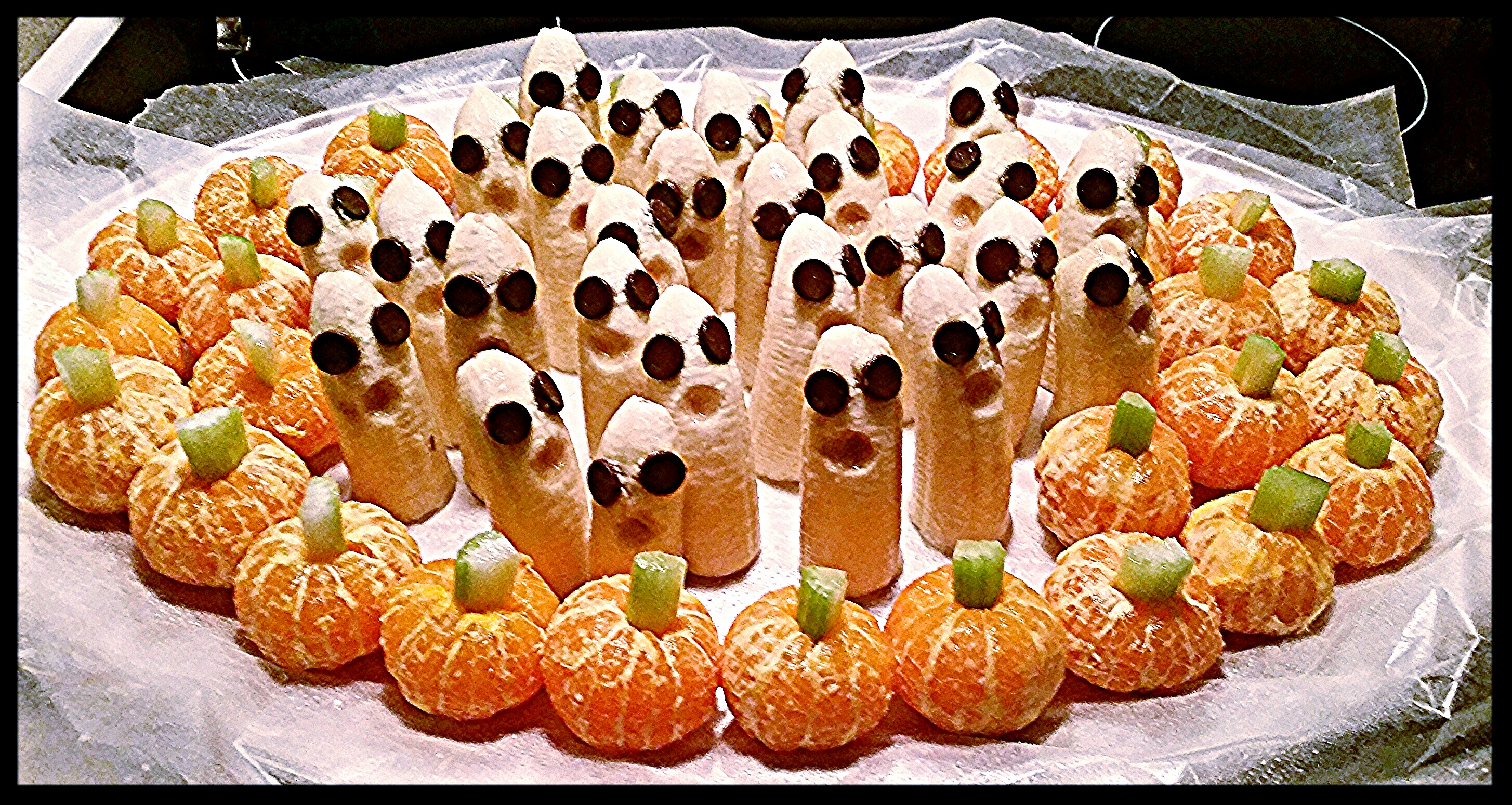
Yum

Yum

Yum

Bag Heads

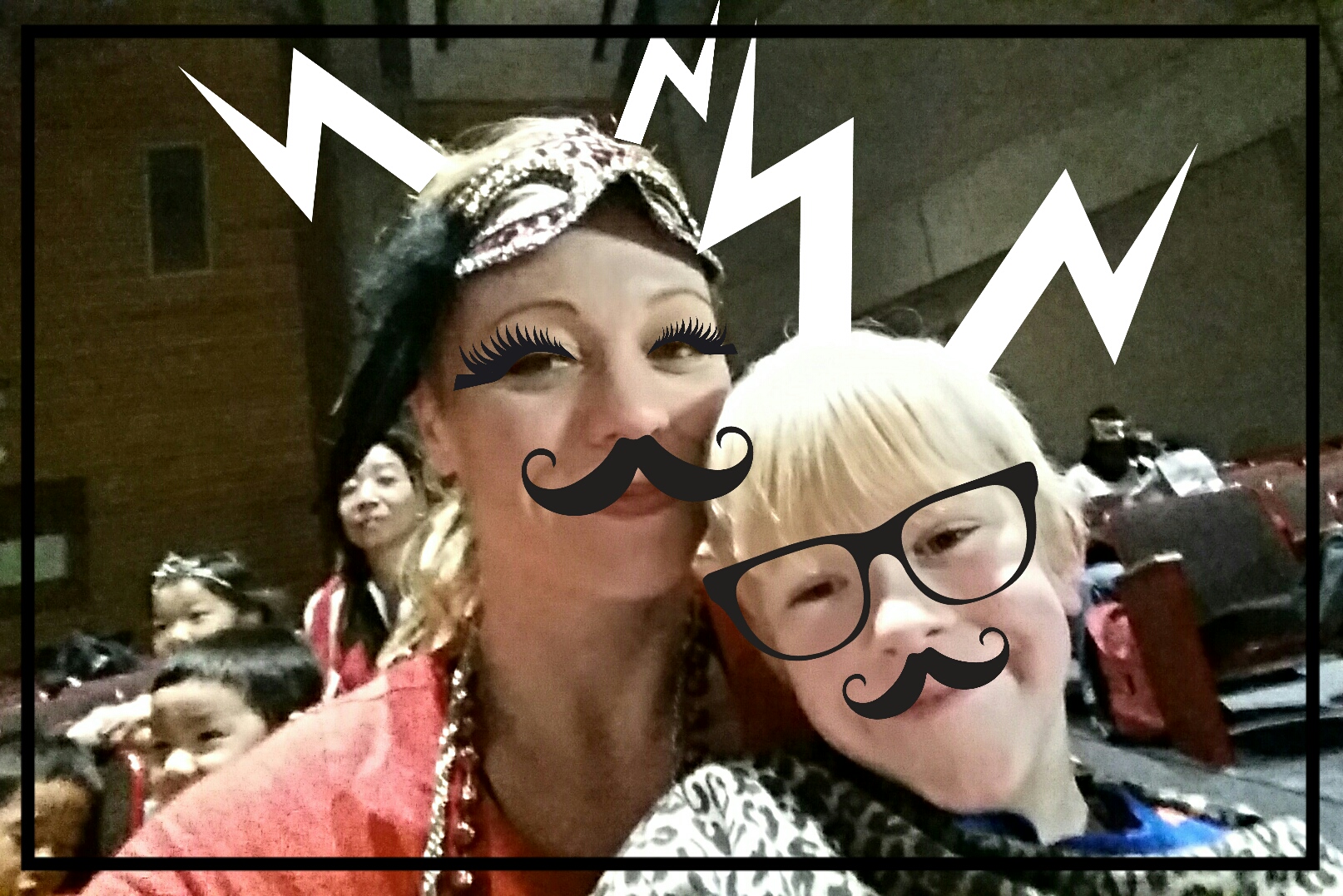
Mother and Son

You can tell we’re related

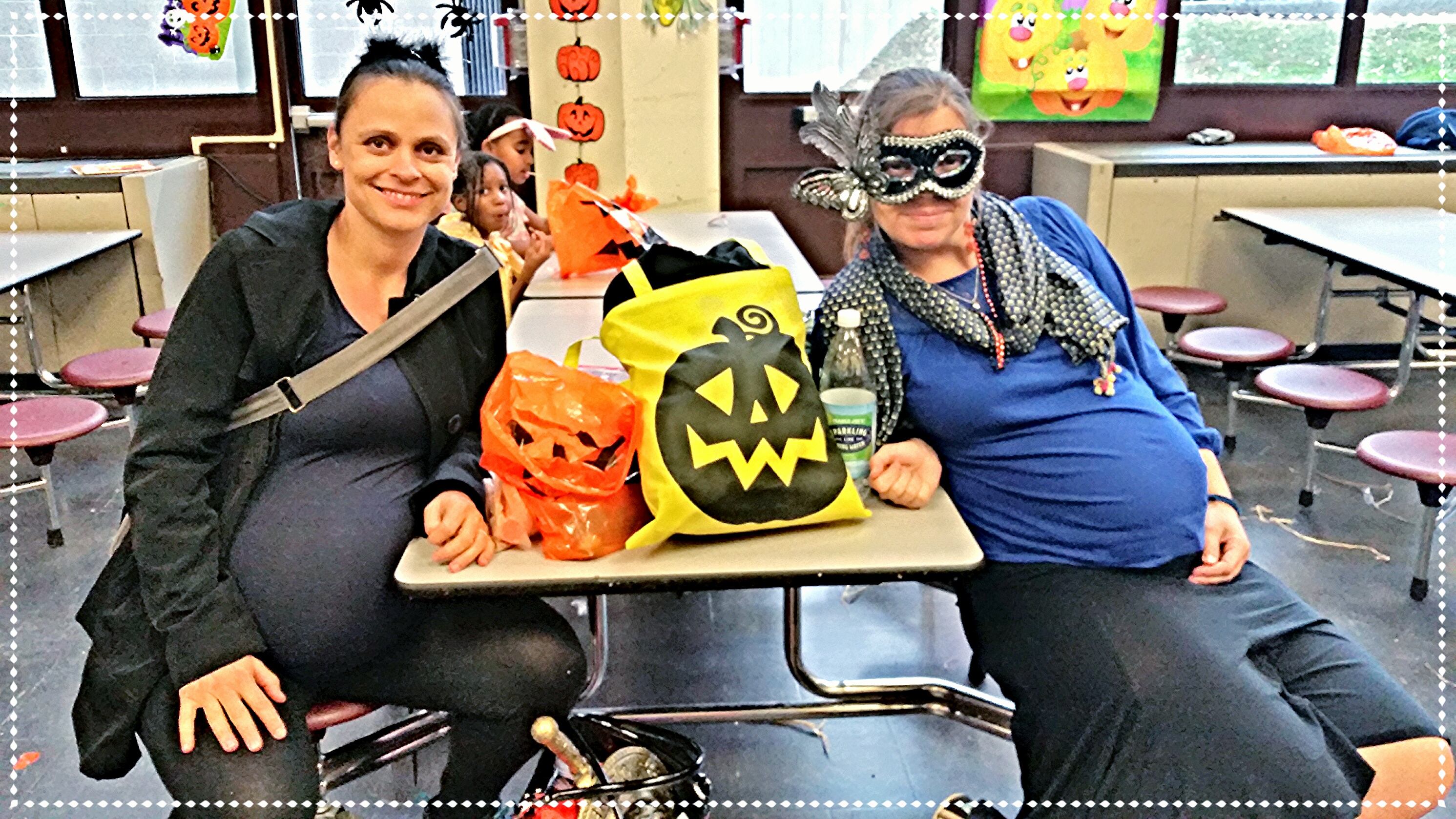
Prenatal Pumpkins

Prenatal Pumpkins

Prenatal Cousin

Prenatal Positioning

Pirates!

Danger, Hot Pirates!

Zaida and Victor

Zaida and Victor

Elsa Pirate

Elsa Pirate

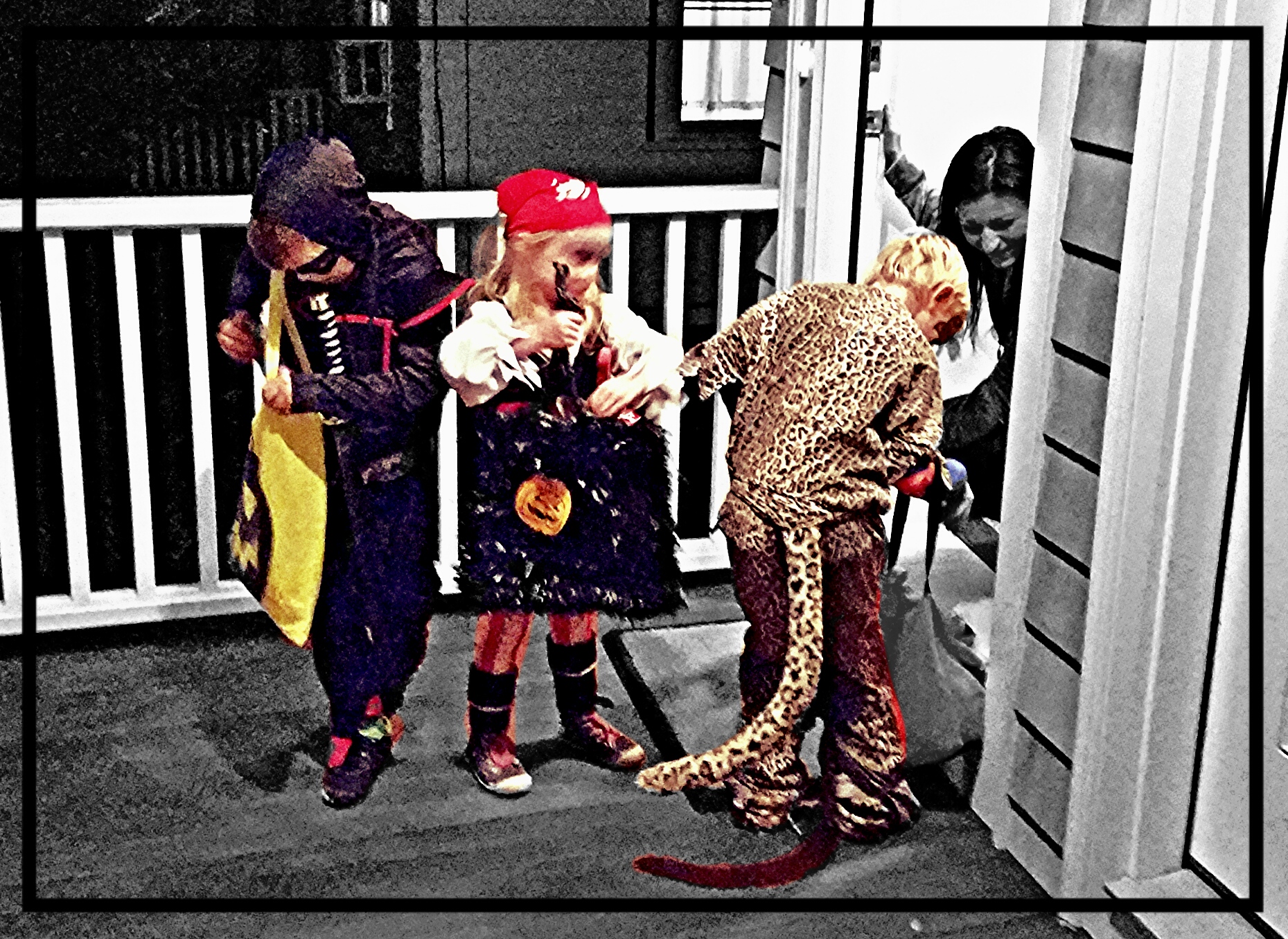
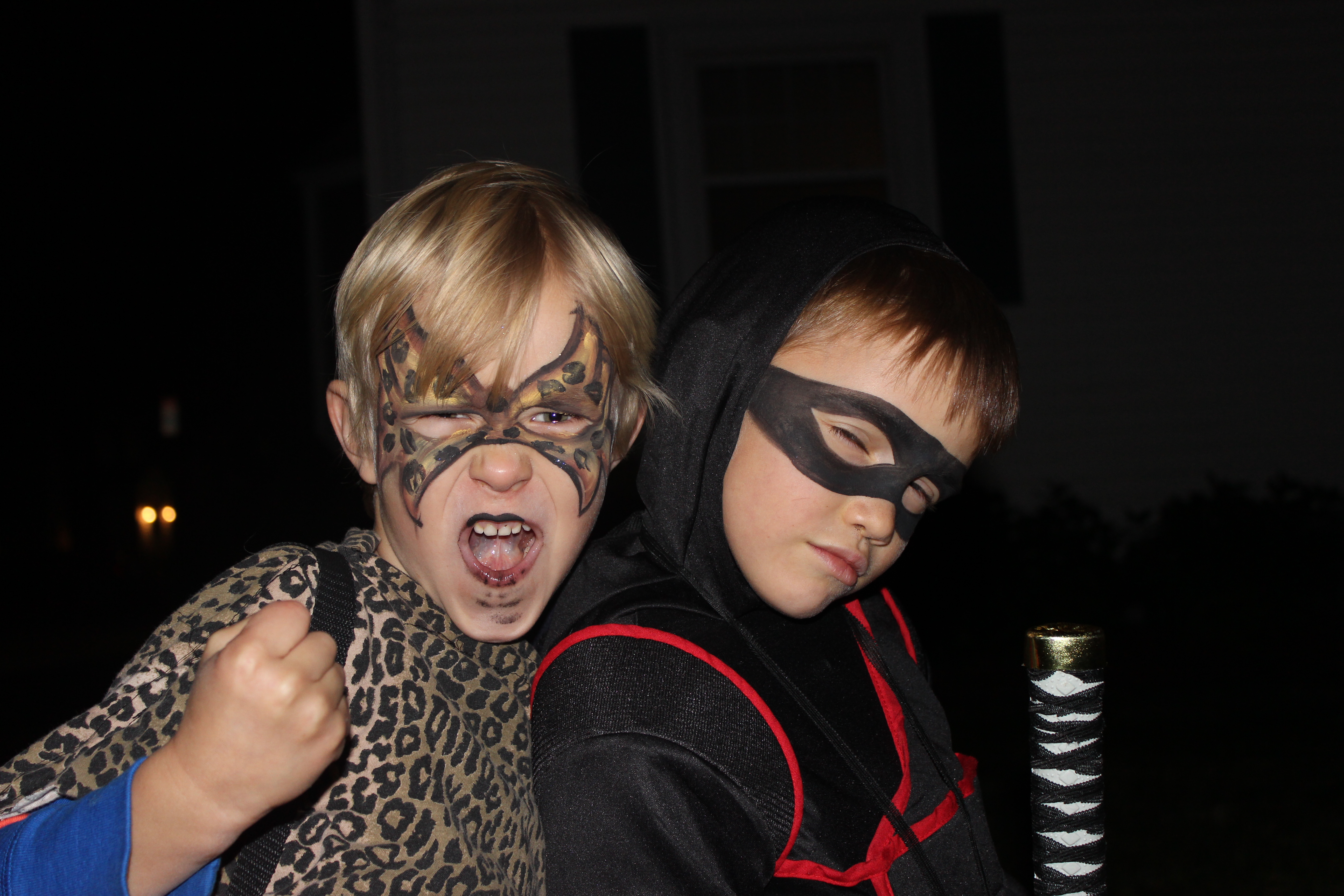
Cheetah Warrior

Cheetah Warrior Gavin

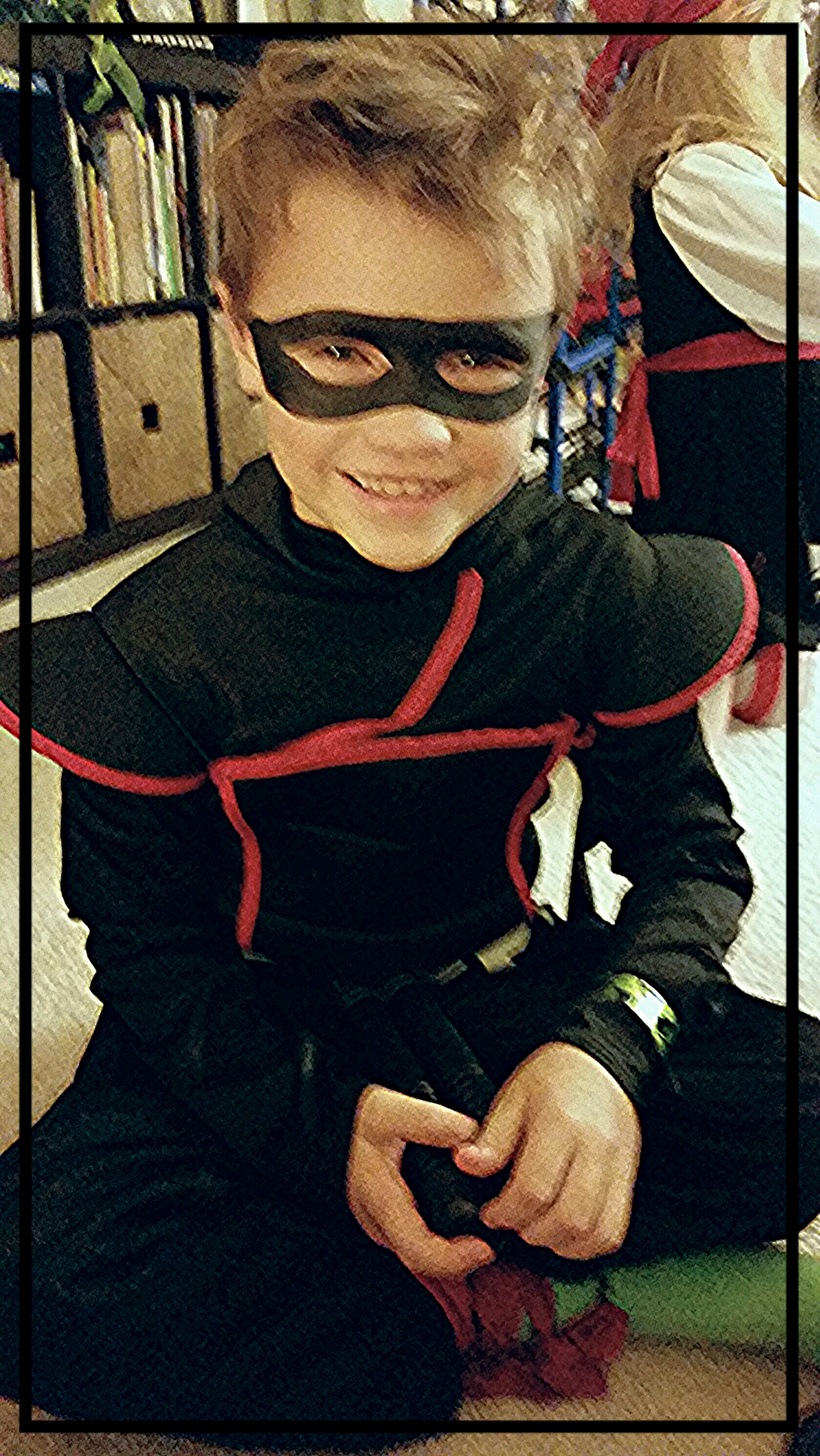
Ninja

Ninja Miles

Princess

Princess Amanda

Bubble Wow Baba Witch

Bubble Wow Baba Witch

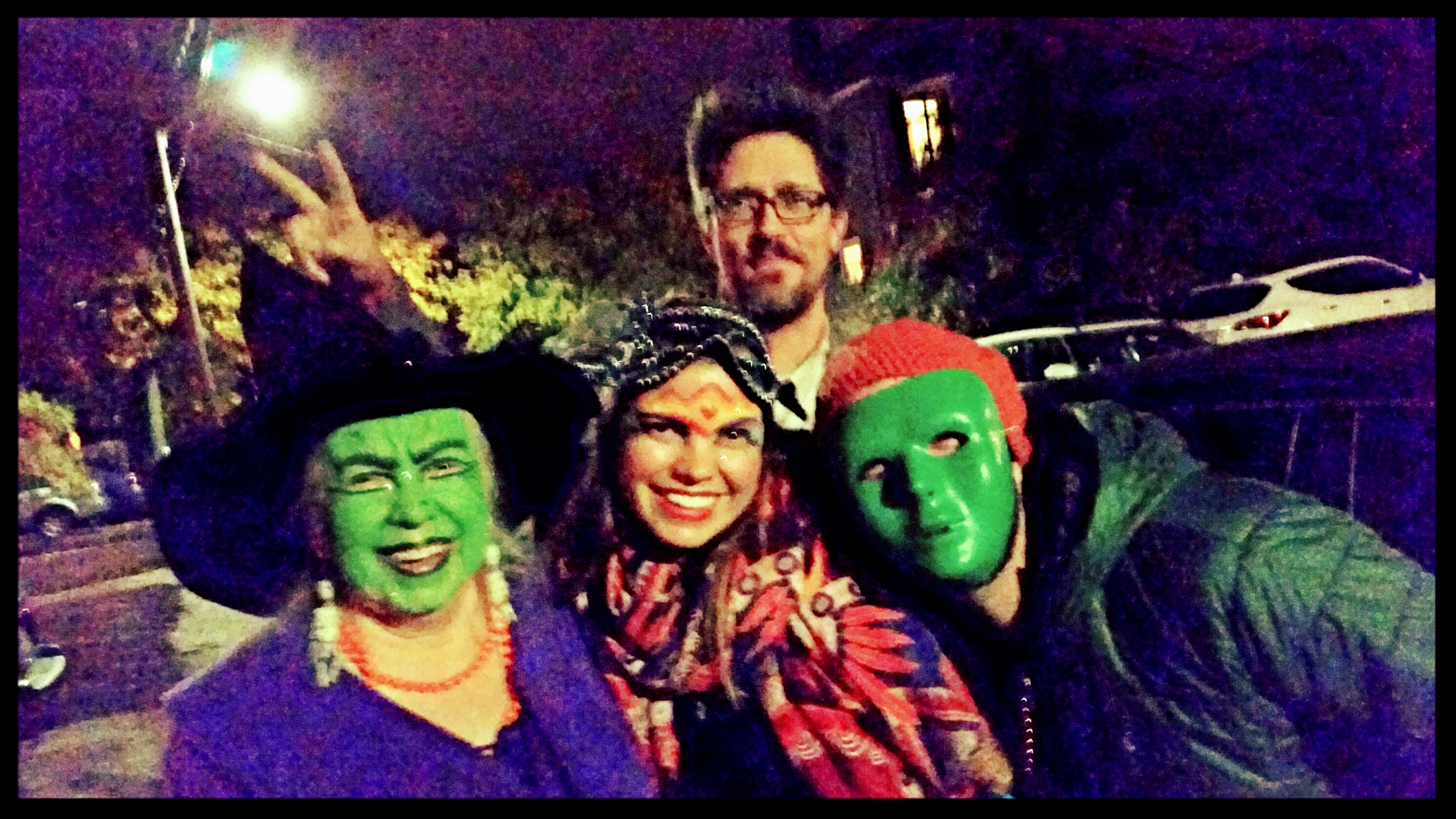
Witch, Princess, Drunk Uncle and Green Guy

Witch, Princess, “Drunk Uncle” and Green Guy

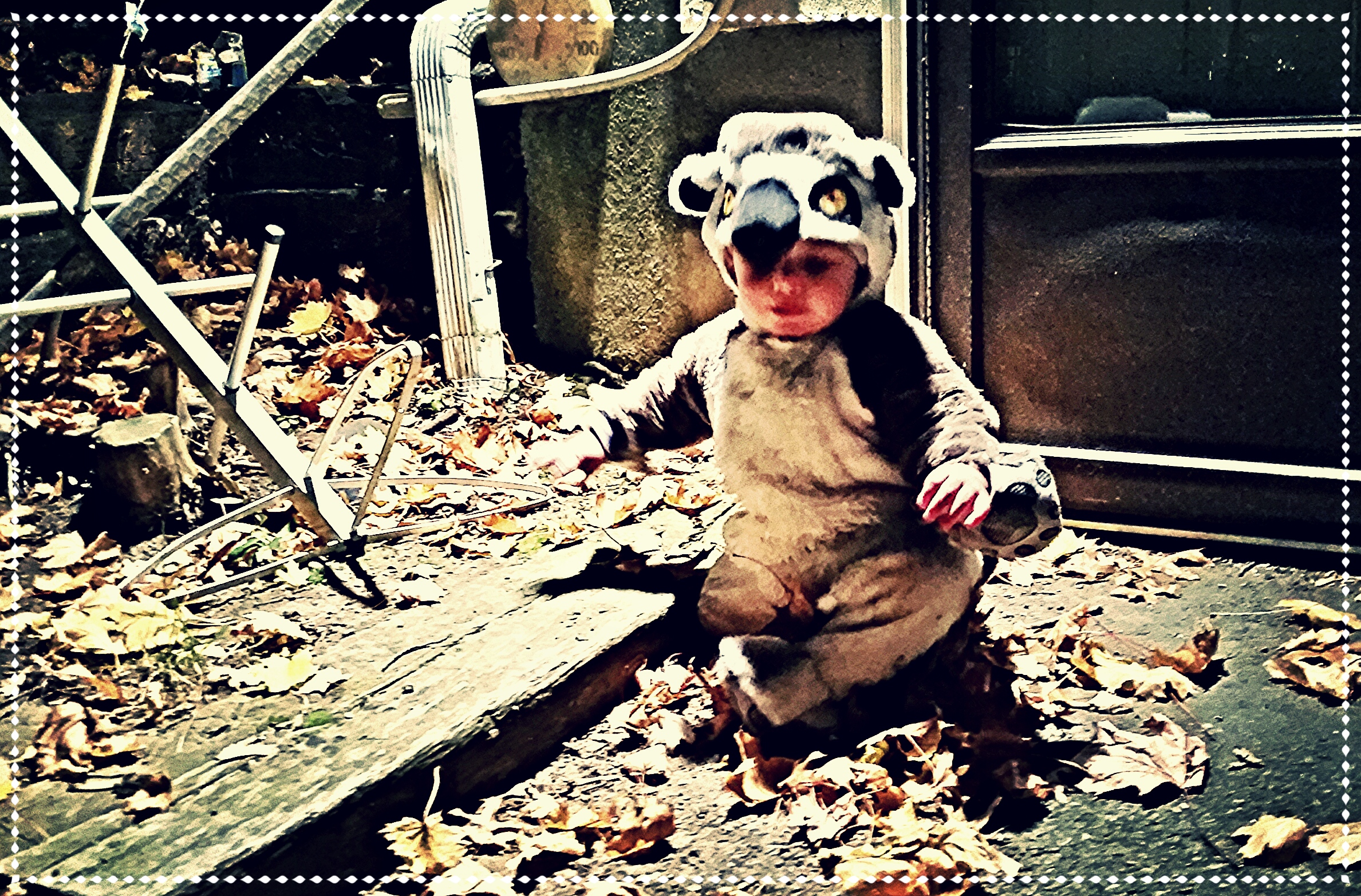
Caleb the Lemur

Caleb the Lemur

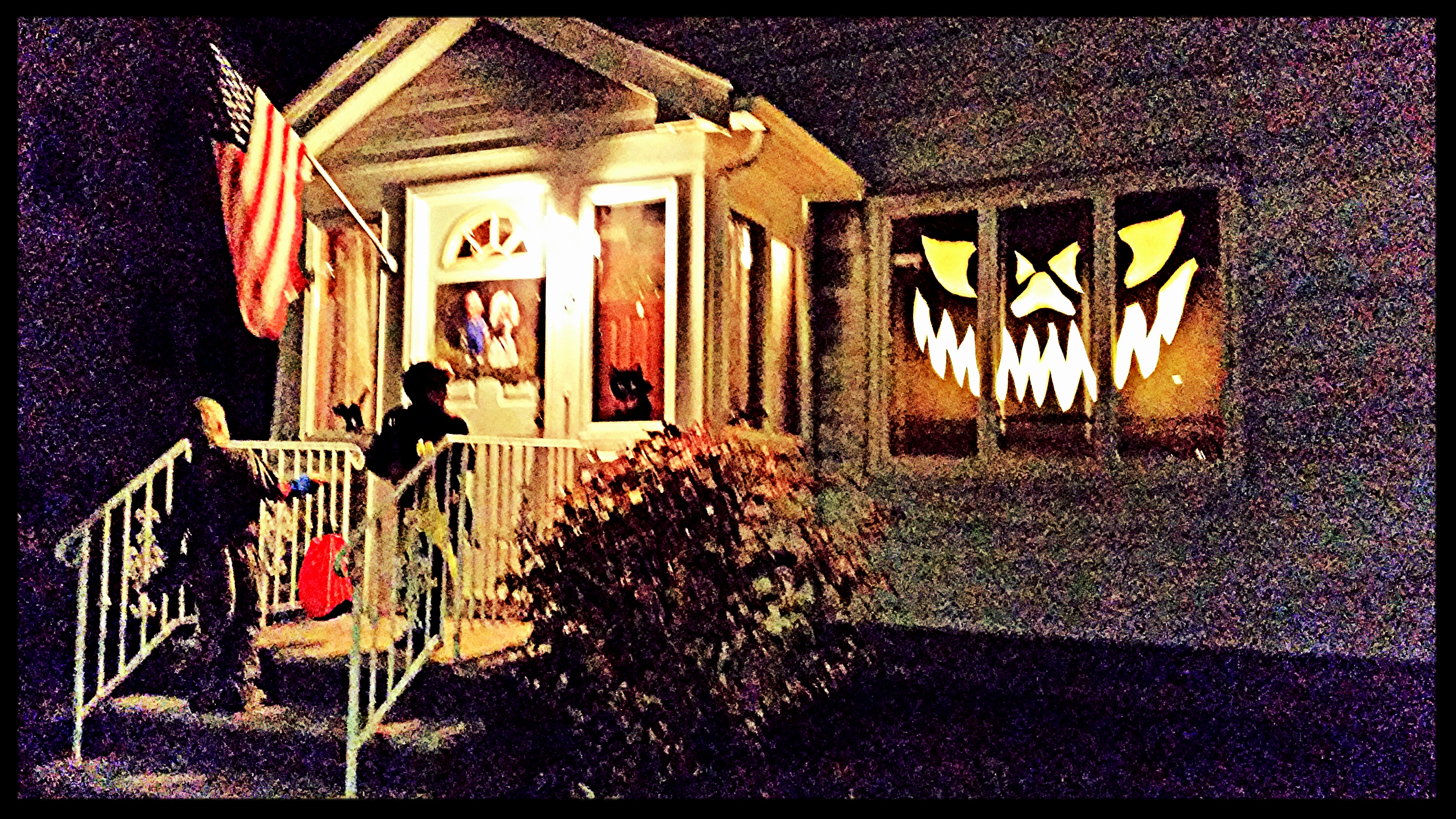
Monster Mash

Monster Mash

BONUS PIX from Aunt Amanda!

IMG_2271

Tough Guys


Cousins Forever!

Cousins Forever!


Posted in childhood, domestic life, faith, family, forgiveness, Friendship, health, love, parenthood | 4 Comments

Spooky Old-Timey Disney Cartoons

HAPPY HALLOWEEN!

The Skeleton Dance – Silly Symphony’s 1929 Disney Short [5:32]

Egyptian Melodies 1931 Walt Disney Silly Symphony [6:05]

Hell’s Bells 1929 Walt Disney Silly Symphony [5:49]

Mickey Mouse – Haunted House [6:48]

Mickey Mouse – The Mad Doctor [6:54]

Mickey Mouse – The Gorilla Mystery [7:32]


AND OH MY.  Here’s a playlist of 52 of these suckers!  Woah:

Posted in childhood | Tagged , , , , , , , , , , , | Leave a comment

Parnegramits

October 2014

(ClaraJane is 3 years old.)

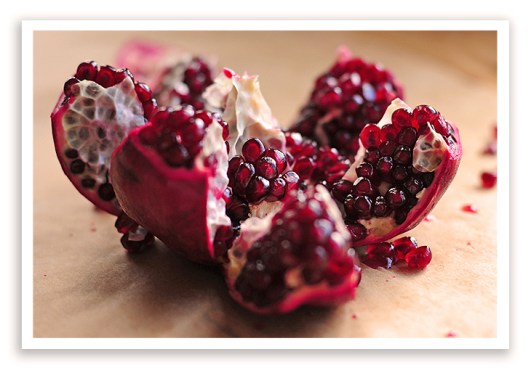
pomegranate-3

Parnegramits


CJ: Mom you know parne… parnegramits?

Me: Yes baby.

CJ: We don’t have any today. That’s a feeling.

Me: Hmm? What does it feel like?

CJ: You rememer parnegramits? Wis da SEEDS?

Me: Yes I remember parnegramits.

CJ: That’s sad. Because we don’t have any today.

Posted in Uncategorized | 4 Comments